
Preventing Back Pain: Daily Habits That Protect Your Spine
MBM (Mind Body Motion) Physiotherapy · 16 April 2026 · 3 min read
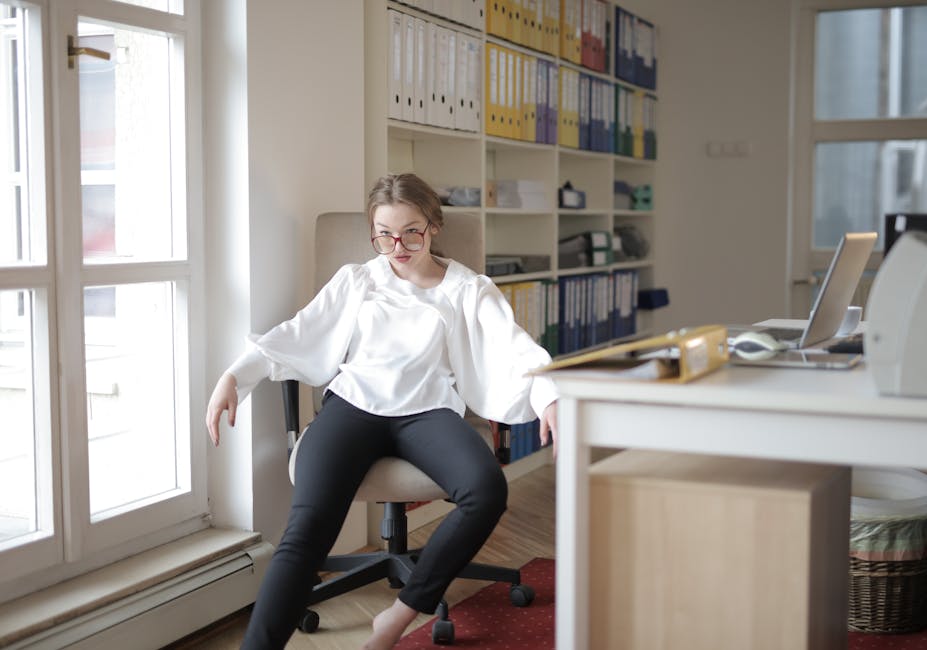
Prevention is a dose problem, not a posture problem
Backs rarely fail because of one wrong movement; they fail because daily load quietly exceeds daily capacity for months. Prevention therefore has two levers, and most people only pull one. You can reduce unnecessary load — better lifting, smarter sitting — but the stronger lever is raising capacity, because a trained back tolerates the awkward lift, the long drive and the wedding-season marathon that would flatten an untrained one.
Think of it as a bank account: every habit below either reduces withdrawals or increases deposits, and the goal is a balance comfortably in credit before the heavy weeks arrive — wedding seasons, house shifting, festival cleaning — because they always arrive.
Your best posture is your next posture
Discs and joints are fed by movement, exchanging fluid and nutrients as pressure varies, so any single position held for hours starves and stiffens them — including 'perfect' upright sitting. The practical rule is to change position every thirty to forty-five minutes: stand while on phone calls, walk to a colleague instead of messaging, take water breaks that force you out of the chair. Set a quiet reminder if the workday swallows time; most desk workers guess they move far more than they actually do.
Sitting smart at work and on the road
When you do sit, arrange the chair so your hips are slightly higher than your knees, your feet rest flat, and the backrest supports the natural inward curve of your lower back — a folded towel works where the chair does not. Screens belong at eye level, because a dropped head drags the whole spine forward. On two-wheelers, avoid the deep slouch over the tank on long rides, and on car journeys beyond an hour, plan a two-minute stretch stop; the spine tolerates vibration and sustained flexion together particularly poorly.
Lift like your back is expensive
For the gas cylinder, the water bucket, the toddler and the market bags alike, the principles repeat: bring the load close to your body, bend at the hips and knees rather than folding through the waist, keep the spine steadily mid-range, and avoid twisting while lifting — move your feet to turn instead. Splitting weight between both hands beats loading one side, which is an argument for two smaller bags over one heavy jhola. None of this requires slow-motion fear; it requires the load close and the legs doing the work.
Repetition is the underrated variable: forty light lifts with a tired, rounded back can outdo one heavy lift in cumulative strain. During unavoidable marathons — Diwali cleaning, packing for a house move — alternate tasks, take breaks before fatigue arrives, and share loads rather than proving points.
The ten minutes of exercise that buy you decades
A back is protected less by rules than by reserves. Three exercises cover most of the ground: a daily brisk walk of twenty to thirty minutes keeps discs nourished and mood steady; sit-to-stand squats or chair squats, two to three sets of ten, keep the hips and thighs strong enough to spare the spine; and a front plank or bird-dog, held or repeated for a few minutes on alternate days, builds the trunk endurance that holds you upright through a ten-hour workday. Consistency beats intensity — the spine adapts to what you do most days, not what you did once. Ten focused minutes daily outperform an ambitious hour on Sundays.
Sleep, weight and the habits nobody connects to backs
Two quieter habits round out the protection. Sleep of seven to eight hours matters because tissue repair happens overnight and because sleep deprivation demonstrably lowers pain thresholds — a tired back complains sooner. Body weight matters mechanically and chemically: extra kilograms increase spinal load with every step, and abdominal fat in particular produces low-grade inflammatory chemicals that sensitise tissue. Even a modest reduction, achieved gradually, lightens both burdens. An evening walk after dinner serves the sleep, the weight and the spine at once, which is why it earns a place in almost every plan we write.
When prevention has failed and something more is happening
Good habits prevent most trouble, but they cannot prevent everything, and knowing the escalation signs is part of protecting yourself. See a doctor promptly if back pain arrives with fever or unexplained weight loss, wakes you constantly at night regardless of position, follows a significant fall, spreads down a leg with growing numbness or weakness, or is accompanied by any change in bladder or bowel control. Short of these, a flare-up is an invitation to review your habits and your reserves — not evidence that your spine is fragile.
Questions patients ask
Are back belts useful for prevention?
For everyday life, no — worn constantly they let trunk muscles weaken, trading short-term support for long-term vulnerability. Occasional use during unavoidable heavy work is reasonable; strength is the better belt.
Is sitting on the floor bad for my back?
Floor sitting itself is fine and keeps hips mobile, which Indian daily life has always encouraged. The problem is any single position held too long — shift positions, and use a cushion to raise your hips if your lower back rounds sharply.
Which sleeping position protects the back best?
Side-lying with a pillow between the knees, or on your back with a pillow under them, keeps the spine near neutral. More important than the position is a mattress that has not visibly sagged.
Suggested articles

When Neck Pain Becomes Headache: The Cervicogenic Connection
Some headaches start in the neck, not the head. How cervicogenic headache works, how to tell it from migraine, and the exercises that ease it.
16 August 2026 · 4 min read
Stiff Back Every Morning? Causes and a Five-Minute Unlock Routine
Why backs stiffen overnight — dehydrated discs, still joints, sometimes inflammation — and a five-minute morning routine that unlocks yours.
14 August 2026 · 4 min read
Back Pain After Delivery: Rebuilding a Postpartum Spine
Postpartum back pain has fixable causes: loose ligaments, a stretched core and endless lifting. A physiotherapist's plan for rebuilding safely.
14 August 2026 · 4 min read