
Cervical Spondylosis: Living Well With an Ageing Neck
MBM (Mind Body Motion) Physiotherapy · 26 April 2026 · 3 min read
The diagnosis that sounds worse than it is
Few X-ray reports cause more quiet alarm in Indian households than the words cervical spondylosis. Yet spondylosis simply means age-related change in the neck's discs and joints — thinning discs, small bony outgrowths, mild joint wear — and it appears on the scans of most people past fifty, the majority of whom have no pain at all. Grey hair on the outside, spondylosis on the inside: both are ageing, neither is a disease sentence, and the words on the report predict your future far less than your habits do.
What changes inside an ageing neck
From our thirties onward, the neck's discs gradually lose water content and height, which brings the vertebrae slightly closer and shifts more load onto the small facet joints at the back. Those joints respond the way loaded joints do — thickening their edges and building small bony spurs, the body's attempt to spread force over a wider area. Most of this remodelling is silent. Symptoms arise when joints become irritated by overload, when surrounding muscles fatigue and spasm, or, less commonly, when a narrowed passage irritates a nerve root travelling to the arm.
Why symptoms come in waves
Spondylosis pain characteristically waxes and wanes — a stiff, aching fortnight, then months of quiet. The structural changes cannot fluctuate like that; what fluctuates is irritability. Poor sleep, a stretch of heavy desk work, long two-wheeler commutes in winter, stress and reduced activity all lower the neck's tolerance, and symptoms surface until conditions improve. This understanding is liberating: a flare-up does not mean the neck has worsened structurally, it means the load-tolerance balance has temporarily tipped, and that balance is yours to influence.
Movement is the maintenance the neck asks for
Stiff necks want gentle, regular motion, because joint surfaces are nourished by movement and muscles hold less protective tension when they are used through range daily. A simple routine works: slow turns to each side, ear-to-shoulder tilts, and chin tucks — five to ten repetitions each, morning and evening, moving to the comfortable end of range without bouncing or forcing. You should feel stretch and gradual loosening, never sharp pain, dizziness, or tingling into the arms; any of those means stop that movement and get assessed. Add shoulder-blade squeezes and light resistance work for the upper back, because a strong shoulder girdle takes daily load off the neck.
Heat, pillows and the small comforts that genuinely help
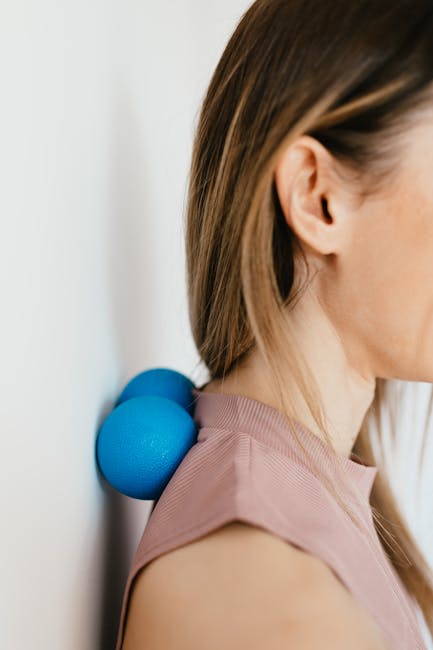
Warmth eases spondylotic necks by relaxing muscle spasm and increasing local blood flow — a hot water bag wrapped in cloth for ten to fifteen minutes, or a warm shower directed at the neck, especially on winter mornings when symptoms often bite hardest. Sleep set-up matters more than most remedies: one pillow of a height that keeps the head level with the spine in side-lying, filling the hollow between shoulder and ear, beats both the doubled-up pillows and the flat thin one. These are comfort measures, not cures — they open a window of ease in which the exercise that actually builds tolerance becomes possible. In winter, cover the neck outdoors and on morning two-wheeler rides — cold muscles guard harder, which is why December flare-ups are a clinic staple.
Working, riding and living around an ageing neck
Daily life needs adjustment, not abandonment. Raise screens to eye level and break up desk time every forty minutes; on two-wheelers, a well-fitted helmet and avoiding the deep forward crouch reduce sustained strain; for those who enjoy it, walking remains among the best whole-body medicines for neck health too, settling stress and improving sleep, both of which raise pain thresholds. What deserves genuine caution is forceful neck manipulation by untrained hands — the roadside jhatka massage that cracks the neck — because an ageing neck with narrowed passages tolerates sudden forced rotation poorly.
The symptoms that deserve a doctor, not just patience
Most spondylosis needs exercise, habits and occasional flare-up care. See a doctor promptly if you develop progressive numbness, tingling or weakness in the arms or hands, clumsiness with buttons or writing, unsteadiness while walking, or any change in bladder or bowel control — these can signal pressure on nerves or the spinal cord and need proper evaluation. The same applies to neck pain with fever, after significant trauma, with unexplained weight loss, or with dizziness and visual symptoms on head movement. Short of these, an ageing neck asks only for what ageing knees and ageing eyes ask: sensible daily care, and no catastrophising over a report.
Questions patients ask
Will my cervical spondylosis keep getting worse with age?
The X-ray changes progress slowly with age, but symptoms do not have to follow. People who keep their necks mobile and their shoulder girdles strong commonly have fewer, milder episodes over time.
Should I wear a cervical collar during flare-ups?
Only briefly, if at all — a day or two for severe pain, ideally on medical advice. Prolonged collar use weakens neck muscles and delays recovery. Gentle movement remains the better medicine.
Is neck cracking by a masseur safe for spondylosis?
Forceful neck manipulation by untrained persons is risky with an ageing spine and is best avoided. If you want hands-on treatment, choose a qualified professional who assesses you first.
Suggested articles

When Neck Pain Becomes Headache: The Cervicogenic Connection
Some headaches start in the neck, not the head. How cervicogenic headache works, how to tell it from migraine, and the exercises that ease it.
16 August 2026 · 4 min read
Stiff Back Every Morning? Causes and a Five-Minute Unlock Routine
Why backs stiffen overnight — dehydrated discs, still joints, sometimes inflammation — and a five-minute morning routine that unlocks yours.
14 August 2026 · 4 min read
Back Pain After Delivery: Rebuilding a Postpartum Spine
Postpartum back pain has fixable causes: loose ligaments, a stretched core and endless lifting. A physiotherapist's plan for rebuilding safely.
14 August 2026 · 4 min read