
Pulled a Muscle? Healing Timelines and Safe Return to Activity
MBM (Mind Body Motion) Physiotherapy · 14 July 2026 · 3 min read
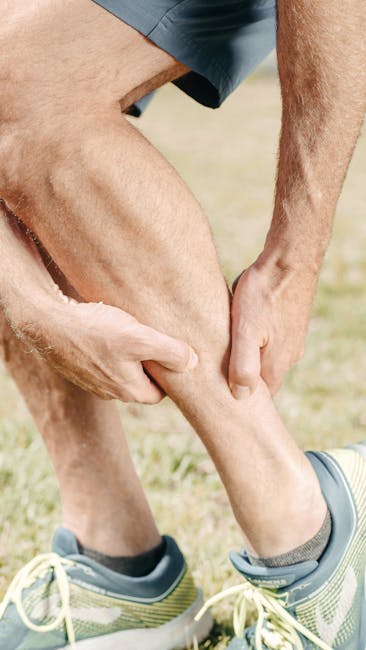
That sudden mid-stride twinge, explained
A strain is a tearing of muscle fibres, usually where muscle merges into tendon, and it happens when a muscle is forced to lengthen while contracting hard — the sprint for a bus, the badminton lunge, the slip on a wet bathroom floor caught at the last moment. Grade one strains tear a few fibres and feel like a tight cramp; grade two tears a substantial bundle, with sharp pain, swelling and often bruising a day or two later; grade three is a complete rupture, sometimes with a visible gap or a lump where the muscle has recoiled. The grade sets the timeline, which is why honest self-assessment on day one matters.
The first 72 hours: protect the clot, keep the blood moving
Torn fibres bleed into the muscle, and the body seals the damage with a fragile clot that becomes the scaffold for repair. The early job is protecting that scaffold: stop the activity immediately, apply cloth-wrapped ice for fifteen minutes every two to three waking hours, compress gently with an elastic bandage, and elevate when possible. Avoid three things that increase bleeding into the tear — vigorous massage, a hot water bag, and alcohol — for the first three days. Move the limb gently within pain-free range from early on, because complete stillness starts the stiffening clock.
Days three to ten: early movement writes the repair blueprint
New collagen fibres are laid across the tear within days, initially in a disorganised mesh. Gentle movement and light muscle activation align those fibres along the muscle's direction of pull, which is what makes the repair strong rather than a brittle patch — this is the mechanism behind the modern rule that strains heal better moving than resting. Begin pain-free range of motion twice daily, then easy isometric holds: contract the muscle against light resistance without moving, five to ten seconds, ten repetitions, at an intensity that stays comfortable. Walking normally, without a limp, is both exercise and progress test for leg strains.
Week two onwards: loading up, gradually and on schedule
Progress from isometrics to slow full-range strengthening — for a hamstring, bridges and slow hip hinges; for a calf, heel raises building from both legs to one; for a pulled back muscle, gentle rows and hinges with light load. Add two to three sets of eight to twelve repetitions on alternate days, increasing load roughly ten per cent per week if the next day stays settled. Then restore speed before sport does it for you: brisk walking, then jogging, then striding, then direction changes. Mild stretching discomfort is fine; sharp pain at the original site means the tissue is not ready for that step yet.
Realistic timelines — and why re-injury loves impatience
A grade one strain typically takes one to three weeks to return to full activity, grade two takes four to eight weeks, and grade three often needs specialist care and months. The trap is that pain disappears well before strength returns — scar tissue matures for weeks after the muscle feels normal, and the healing zone remains the weakest link. Re-tears cluster in exactly this window, usually during the first unplanned sprint. Passing deliberate tests before returning — single-leg hops without pain for leg strains, full-speed movement rehearsed in training first — is what separates a healed strain from a recurring one.
Cramps, DOMS or strain? Telling the imposters apart
Not every muscle pain is a tear. A cramp is a sudden, violent contraction that releases with stretching and leaves soreness but no injury. Delayed-onset muscle soreness arrives a day or two after unaccustomed exercise, affects the whole muscle diffusely on both sides, and fades within three to four days — it needs no treatment beyond gentle movement. A strain announces itself at a specific moment, in a specific spot, and hurts immediately with use. The distinction matters because DOMS should be trained through lightly, while a fresh strain must not be.
When a pulled muscle needs a doctor
Seek assessment promptly if you felt or heard a pop with immediate loss of function, if there is a visible dent or lump in the muscle, if bruising is extensive, if you cannot bear weight after a leg strain, or if pain and swelling worsen after day three instead of easing. A calf that becomes swollen, warm and tender without a clear injury moment needs same-day review to rule out a blood clot — that is never a strain to stretch. And any "strain" that has not clearly improved in two weeks deserves examination, because fractures and tendon injuries sometimes wear a muscle strain's clothing.
Questions patients ask
Should I stretch a pulled muscle?
Not in the first few days — stretching pulls directly on the fragile repair. Gentle pain-free movement first, then progressive strengthening; meaningful stretching comes later, once daily activity is comfortable.
Do pain-relief sprays and gels heal the muscle?
They ease surface pain and can make early movement easier, which is useful, but they do not speed fibre repair. The graded loading programme is what rebuilds the muscle.
Why did the same muscle pull twice?
Usually because the first tear returned to sport on pain alone, before strength and speed were rebuilt through the scar. After a repeat strain, complete the full strengthening progression and add regular hamstring or calf work permanently.
Suggested articles

Hip Pain From Sitting: Why Desk Years Show Up in Your Hips
Long sitting shortens hip flexors, starves glutes and irritates deep hip tissue. Where sitting hip pain comes from and the routine that reverses it.
24 August 2026 · 4 min read
Wrist Pain at the Keyboard: Carpal Tunnel, RSI and What Helps
Not all keyboard wrist pain is carpal tunnel. How to tell nerve from tendon trouble, night splints, glides, desk fixes and when to get tested.
23 August 2026 · 4 min read
Calf Strain: From First Limp to Full Stride
A pulled calf heals in stages, not by rest alone. Grades explained, week-by-week loading from heel raises to running, and the re-tear traps to avoid.
22 August 2026 · 4 min read