
Heel Pain in the Morning: Understanding and Beating Plantar Fasciitis
MBM (Mind Body Motion) Physiotherapy · 17 July 2026 · 3 min read
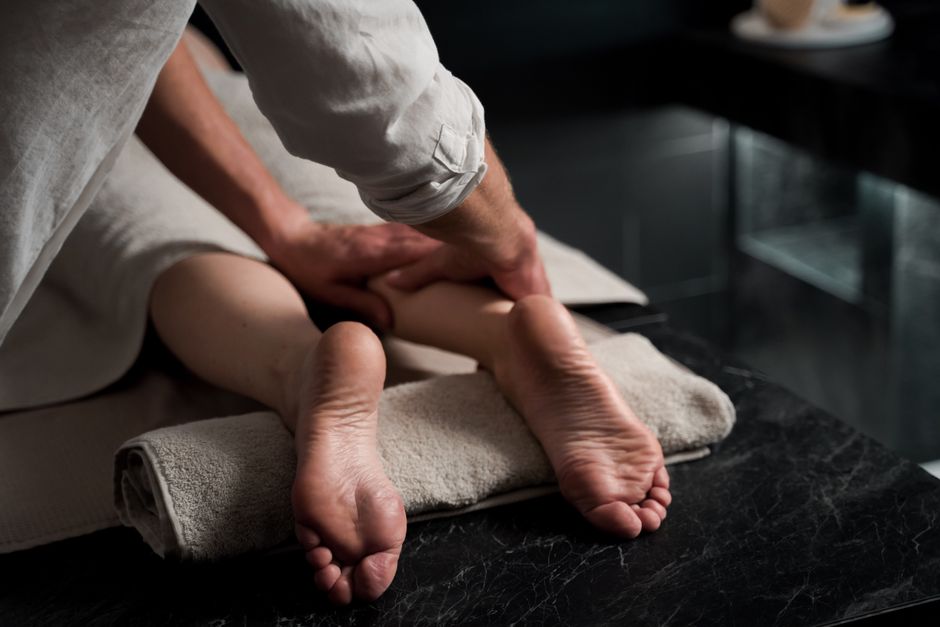
Those first steps out of bed tell the whole story
The signature of plantar fasciitis is unmistakable: a stabbing heel pain with the first steps after waking or after long sitting, easing as you move, often returning by evening. The plantar fascia is a thick band running from the heel bone to the toes, acting as the bowstring that maintains your arch and stores spring with every step. When cumulative load outruns its repair — sudden increases in walking, long barefoot hours on hard marble or tile floors, weight gain, unsupportive flat chappals — the fascia degenerates at its heel anchor. Overnight it tightens in a shortened position, and those first morning steps re-tension the sore anchor abruptly, which is exactly why they hurt the most.
The Indian-home factor: hard floors and bare feet
Walking barefoot indoors is near-universal in Indian homes, and on the stone, marble and tile that most of our floors are made of, the fascia absorbs impact with no cushioning at all, hour after hour. During recovery, this single habit change matters as much as any exercise: wear cushioned slippers or sandals with arch support inside the house, from the very first step out of bed. Keep a pair beside the bed and another at the bathroom door. Patients who fix their footwear but skip exercises often improve; patients who exercise but stay barefoot on tile usually stall.
Morning routine: loosen before you load
Before those first steps, spend ninety seconds preparing the tissue. Sitting on the bed's edge, cross the painful foot over the other knee, pull the toes back towards the shin until you feel a firm stretch along the sole, and hold thirty seconds, three times. Follow with ten slow ankle circles. This pre-lengthens the fascia so the first steps do not snap it taut from its overnight-shortened state — most people feel the difference within the first week. Repeat the toe-pull stretch before standing after any long sit, including office hours and long car journeys.
The calf connection most people miss
A tight calf and Achilles tendon force the heel to lift early in each step, transferring extra strain into the fascia — the two structures function as one continuous spring. Stretch the calf against a wall twice daily: back leg straight with heel pressed down for thirty seconds, then again with the back knee slightly bent to reach the deeper muscle, three rounds each. Add rolling the sole over a firm bottle for two to three minutes — a frozen water bottle combines massage with cooling. The stretch should be a strong pull in calf or sole, never sharp pain into the heel bone itself.
Strengthening: the phase that stops it coming back
Stretching calms symptoms; loading rebuilds the tissue's capacity so the problem stays gone. From week two or three, add slow heel raises: stand on a step with heels off the edge, a rolled towel under the toes to pull them upward, rise over two seconds, pause, lower over three seconds. Begin with both feet, two to three sets of eight to twelve, alternate days, progressing towards single-leg raises over several weeks. Expect deep working effort in the calf and some familiar ache under the heel that settles by the next morning. Add short-foot toe scrunches with a towel on the floor for the small arch muscles.
Expectations, weight and the long game
Plantar fasciitis resolves in the large majority of people with consistent conservative care, but the timeline is honest months — commonly three to six, sometimes longer — with fluctuations along the way, so a bad week does not mean failure. Body weight multiplies through the fascia with every step, and gradual weight reduction, where relevant, measurably lowers the daily load. Ration sudden spikes in walking or standing (weddings, pilgrimages, festival cleaning) while the heel is irritable, and increase your regular walking gradually rather than in bursts.
When heel pain is not plantar fasciitis
See a doctor if the heel pain follows a jump or fall, if there is significant swelling, redness or warmth, if pain burns or tingles into the sole (suggesting a nerve), if it wakes you at night regardless of position, or if you have fever, or morning stiffness in multiple joints — inflammatory arthritis sometimes presents at the heel. Numbness in the foot, or heel pain in a person with diabetes with skin changes, needs review rather than home care. And a heel that has not improved at all after two months of genuine daily work deserves assessment, since stress fractures and fat-pad problems mimic fasciitis closely.
Questions patients ask
My X-ray shows a heel spur — is that the cause?
Usually not. Spurs are common in completely pain-free heels and often persist after pain resolves. The painful structure is the fascia, and treatment targets it, not the spur.
Do silicone heel cups help?
A cushioned heel cup or arch-support insole reduces load on the fascia and eases day-to-day pain for many people. Use them in both shoes and treat them as support alongside the stretching and strengthening, not instead of it.
Should I stop my morning walk?
Reduce rather than stop — shorten the distance, wear cushioned walking shoes, and do the sole and calf stretches first. Cycling and swimming can keep fitness up while the heel settles.
Suggested articles

Hip Pain From Sitting: Why Desk Years Show Up in Your Hips
Long sitting shortens hip flexors, starves glutes and irritates deep hip tissue. Where sitting hip pain comes from and the routine that reverses it.
24 August 2026 · 4 min read
Wrist Pain at the Keyboard: Carpal Tunnel, RSI and What Helps
Not all keyboard wrist pain is carpal tunnel. How to tell nerve from tendon trouble, night splints, glides, desk fixes and when to get tested.
23 August 2026 · 4 min read
Calf Strain: From First Limp to Full Stride
A pulled calf heals in stages, not by rest alone. Grades explained, week-by-week loading from heel raises to running, and the re-tear traps to avoid.
22 August 2026 · 4 min read