
Heavy School Bags: Protecting Children's Growing Spines
MBM (Mind Body Motion) Physiotherapy · 8 August 2026 · 3 min read
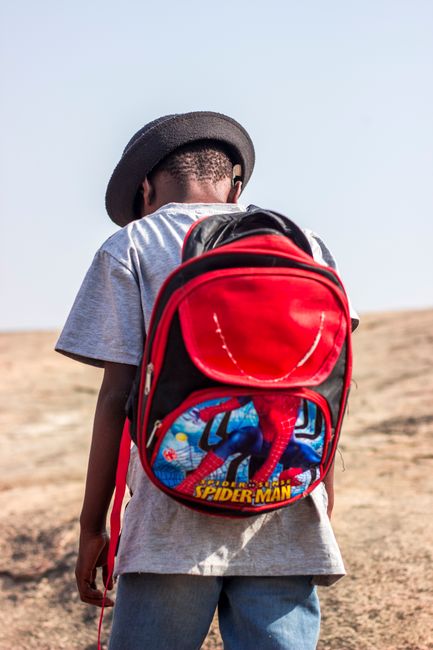
Weigh the bag once — most parents are startled
Put your child's packed school bag on the weighing scale some Monday morning; families who try this usually discover it weighs far more than they guessed. The widely used safety guideline, reflected in Indian school bag policy, is that a bag should stay around ten per cent of the child's body weight — three kilograms for a thirty-kilogram child — yet bags half again heavier are routine once six subjects' books, notebooks, a water bottle and a tiffin pile in. A growing spine carries that surplus for two commutes and several staircases daily, all year.
Why growing spines feel loads differently
Children are not small adults: their vertebrae are still partly cartilage, ligaments are laxer, and trunk muscles are still developing the endurance that adult spines take for granted. A heavy bag does not usually injure anything outright — and parents should hear that scoliosis is not caused by schoolbags — but it reliably produces compensations you can see: the forward lean of a child fighting a backward pull, one hitched shoulder under a single-strap carry, and complaints of neck, shoulder and back ache that fade on holidays. Those aches are load-management messages, and childhood is precisely when carrying habits harden into adult defaults.
How to spot bag strain in your own child
Watch your child walk to the gate wearing the packed bag. Leaning noticeably forward from the ankles, red strap grooves on the shoulders after the commute, one strap habitually slung on the same shoulder, or a bag hanging below the waistline are all signs the load or the fit is wrong. Listen too: recurring end-of-week complaints of shoulder or back ache, or tingling in the arms — straps compressing nerves near the collarbone can do this — deserve action, not reassurance that "everyone carries the same".
Fitting and wearing: the free fixes first
Both straps, always — one-shoulder carrying halves the surface bearing the load and asks the spine to side-bend against it all the way to school. Tighten straps so the bag sits snug against the back with its bottom at waist level, not bouncing against the buttocks; a dangling bag multiplies the backward pull the child must lean against. Wide, padded straps spread pressure, a chest or waist clip (present on many bags, used by almost no child) transfers load to the trunk, and the heaviest books should be packed closest to the spine, not in the outer pocket.
Re-check the strap length at the start of every term, because children grow out of adjustments as quickly as they grow out of shoes, and a fit set in April is usually wrong by September.
Cutting the weight itself: packing and school-level fixes
Fit only helps so much when the bag is simply too heavy, so attack the kilograms. Pack strictly by the day's timetable each evening rather than carrying the full week's books permanently. Choose a lightweight bag to begin with — some empty bags weigh a kilogram before a single book enters. Split fat notebooks into slim term-wise ones, and send water in a modest bottle rather than a litre flask if the school has safe water. Where the load stays stubborn, raise it collectively: many schools respond to parent groups by arranging in-school storage, book-sharing between benchmates, or timetables that alternate heavy subjects.
The other half of the answer: a stronger, more active child
A bag feels heavy relative to the body carrying it, and a child who runs, climbs, hangs from bars and plays daily builds exactly the trunk and shoulder strength that makes a compliant-weight bag trivial. Guard the play hours against tuition creep where you can, encourage hanging and monkey-bar games (superb, free shoulder and grip training), and let children carry reasonable loads — their own bag at the airport, a light shopping bag — because graded carrying is how young bodies learn to carry. Protecting a child from every load and from a heavy bag are different projects; only the second is the goal.
When a child's back needs a doctor, not a lighter bag
Most bag-related aches ease within days of fixing weight and fit. See a doctor if a child's back pain is persistent rather than end-of-day, wakes them at night, comes with fever, weight loss or fatigue, follows a fall or sports injury, or sits sharply in one spot rather than aching across the shoulders. Have any visible spinal asymmetry checked — one shoulder blade more prominent, an uneven waistline, a rib hump on forward bending — since scoliosis, while not caused by bags, is best picked up early in exactly these years. Limping, leg pain or numbness alongside back pain in a child always warrants prompt review.
Questions patients ask
What is the maximum safe school bag weight?
Keep it around ten per cent of the child's body weight — the figure Indian school bag policy also uses. Weigh the packed bag monthly, since contents creep upward through the term.
Are trolley bags better than backpacks?
They remove the carried load on smooth ground but must be lifted awkwardly on stairs, buses and kerbs, and pulling one-sided has its own issues. A well-fitted, correctly weighted backpack remains the better all-round choice for most children.
Can heavy bags cause scoliosis?
No — scoliosis is not caused by carrying schoolbags, and parents can set that fear aside. Heavy bags cause muscle aches and poor carrying habits, which is reason enough to fix them.
Suggested articles

Working From Bed: The Posture Debt and How to Pay It Down
Hours of laptop work propped in bed borrow comfort now and repay in neck, back and wrist ache. How to restructure bed work and undo the debt.
27 August 2026 · 4 min read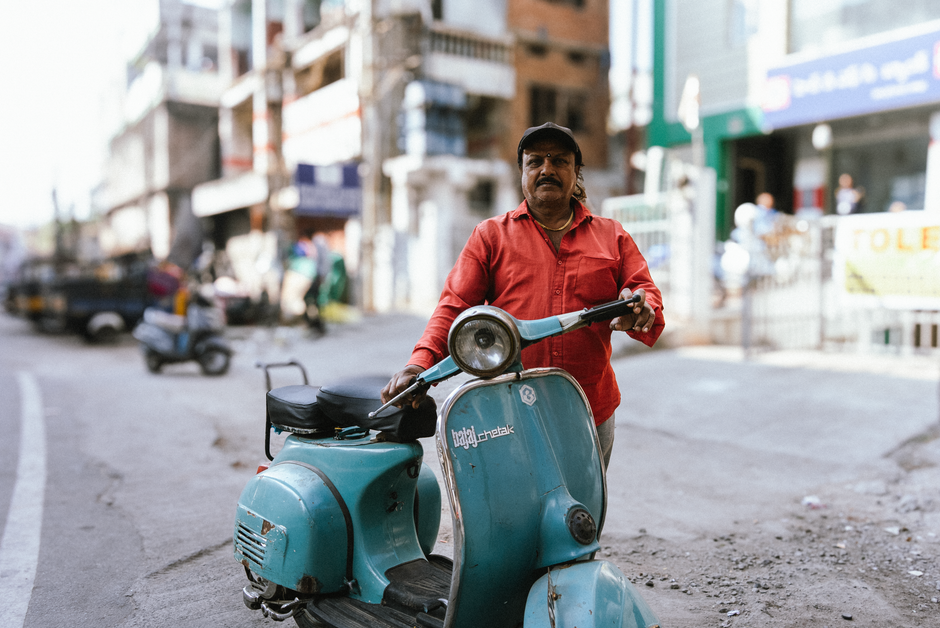
Two-Wheeler Commutes and Your Back: Riding Without the Ache
Daily scooter and bike commutes load the spine with vibration, potholes and pillion slouch. Set-up changes and exercises that protect riding backs.
25 August 2026 · 4 min read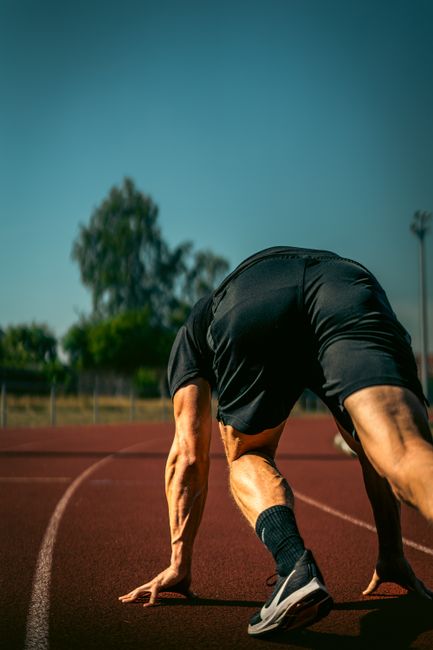
Warm-Up and Cool-Down: The Ten Minutes Most People Skip
What warming up and cooling down actually do physiologically, a five-minute template for each, and the injuries the skipped minutes invite.
15 August 2026 · 3 min read