
Standing Tall: Correcting Posture Without Forcing It
MBM (Mind Body Motion) Physiotherapy · 30 July 2026 · 3 min read
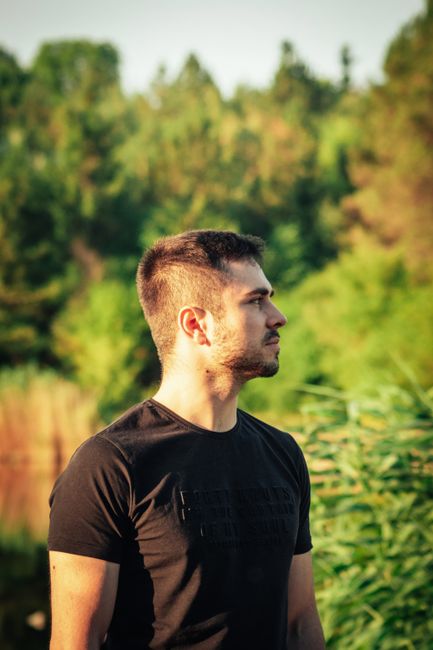
The problem with "chest out, shoulders back"
The classic command produces a military brace: chest thrust up, shoulders wrenched back, lower back over-arched — a position so muscularly expensive that nobody holds it beyond a few minutes, after which they collapse back into the slump feeling like a failure. Good standing posture is not a pose to hold by willpower; it is a stacking arrangement in which bones support weight and muscles make only small corrections, the way a well-pitched tent stands on its poles rather than on someone hauling the ropes all day. Getting there is a matter of alignment and light cueing, not force.
Finding your stack, from the feet upward
Stand with feet hip-width apart and weight spread evenly between heels and the balls of both feet — most habitual slumpers hang back on their heels. Soften the knees out of a locked-back position, because locked knees tip the pelvis forward and throw the chain off from the bottom. Let the pelvis sit level, neither tucked hard under nor tipped into a deep arch. Then imagine a string drawing the crown of the head upward, and let the shoulders simply hang from a taller spine. Notice the sensation: correct stacking should feel lighter than the slump, not more effortful.
The one cue that replaces five commands
Instead of managing chin, chest, shoulders and back separately, use a single master cue: grow a centimetre taller from the back of the skull. Lengthening upward from the crown automatically brings the head back over the shoulders, lifts the ribcage off the belly, and unrounds the upper back — all without the over-arching that "chest out" produces. Attach the cue to recurring daily triggers rather than vague intention: every red light on the two-wheeler, every time you join a queue, every time the phone goes back in your pocket. Posture change is a hundred small reminders, not one heroic decision.
Why your body slumps: the strength behind the shape
A posture you cannot sustain is usually a posture you are not yet strong enough to sustain. The muscles between the shoulder blades and along the mid-back act as the guy-ropes of the upright spine, and desk years leave them long and weak while the chest tightens. Train them: wall angels — back against a wall, arms sliding up and down like a slow snow-angel, eight to ten repetitions — plus shoulder-blade squeezes held five seconds, ten times, and a thirty-second doorway chest stretch each side, daily. Within four to six weeks, standing tall stops feeling like work, because the guy-ropes can finally hold the tension.
Standing for hours: kitchens, counters and queues
Long standing — cooking, shop counters, functions and weddings — aches even in good alignment, because static muscle work throttles its own blood supply. Use the tricks that restore flow: shift weight rhythmically from foot to foot, place one foot on a low ledge or thick book and swap every few minutes (this slackens the hip flexors and eases the lumbar arch), and rise onto the toes ten times every so often to pump the calves. At the kitchen platform, stand close so you are not bending forward over the work, and keep the heaviest pots between waist and chest height.
Cushioned footwear or a small anti-fatigue mat at the cooking spot spares the feet and, through them, the back — hard stone floors tax standing muscles surprisingly fast, and the mat pays for itself within a week of wedding-season cooking.
What posture can and cannot explain
Honesty matters here: research links posture to pain far more loosely than popular culture suggests, and there is no single "perfect" alignment that guarantees a pain-free back. What sustained slumping reliably does is concentrate load on a few structures — the neck, the mid-back, the shoulder tips — and reduce the variety of positions your body practises. The goal of this work is therefore comfort, capability and options, not moral perfection. A relaxed tall stance that changes often beats a rigid ideal held grimly, every single day of the week.
When a posture change is a signal, not a habit
Get assessed rather than self-correcting if your posture has changed noticeably over months without explanation — increasing stoop in someone over sixty can reflect vertebral compression from osteoporosis, and a visibly sideways curve in a growing teenager needs a scoliosis check. See a doctor if standing tall is impossible because of pain rather than habit, if height has measurably reduced, or if postural change comes with pain radiating into limbs, numbness, night pain, fever or weight loss. Habitual slumping responds to cues and strengthening; structural change deserves a diagnosis first.
Questions patients ask
How long does it take to fix slumped standing posture?
With daily strengthening and frequent cueing, standing tall starts feeling natural in four to six weeks, and others usually notice by two to three months. The habit consolidates as the muscles catch up.
Do posture-correcting belts and braces work?
They pull you into position passively, so the supporting muscles work even less and dependence grows. Brief use as a reminder is harmless; strengthening is what produces lasting change.
Is walking barefoot or in flat chappals bad for posture?
On soft ground barefoot walking is fine and works the foot muscles. Hours of standing on hard floors in thin flat chappals tires the feet and legs, which feeds slumping — cushioned support helps for long standing days.
Suggested articles

Working From Bed: The Posture Debt and How to Pay It Down
Hours of laptop work propped in bed borrow comfort now and repay in neck, back and wrist ache. How to restructure bed work and undo the debt.
27 August 2026 · 4 min read
Two-Wheeler Commutes and Your Back: Riding Without the Ache
Daily scooter and bike commutes load the spine with vibration, potholes and pillion slouch. Set-up changes and exercises that protect riding backs.
25 August 2026 · 4 min read
Warm-Up and Cool-Down: The Ten Minutes Most People Skip
What warming up and cooling down actually do physiologically, a five-minute template for each, and the injuries the skipped minutes invite.
15 August 2026 · 3 min read