
Walking as Medicine: Building a Daily Programme That Sticks
MBM (Mind Body Motion) Physiotherapy · 27 May 2026 · 4 min read
The most underrated prescription in medicine
If walking could be put in a strip of tablets, every chemist in Faridabad would sell out by evening. A brisk daily walk conditions the heart and blood vessels, helps muscles draw glucose from the blood — a direct service to the diabetic and pre-diabetic majority of Indian families — nourishes joint cartilage and spinal discs through rhythmic loading, releases the body's own mood-lifting and pain-dampening chemistry, and deepens sleep. It needs no equipment, no membership and no skill. What it does need, and what most people never give it, is a dose and a structure — which is the difference between strolling and training.
The dose: how fast, how long, how often
The pace that earns the word brisk is set by your breath, not a speedometer: walk fast enough that you can still talk in full sentences but could not comfortably sing — the talk test. At that intensity, aim over time for thirty to forty-five minutes on most days, totalling at least a hundred and fifty minutes a week. The good news for busy schedules is that the dose splits cleanly: three ten-to-fifteen-minute brisk walks scattered through a day deliver most of the benefit of one continuous session, which turns a lunch break and two chai breaks into a complete programme.
The first six weeks: progress the time, then the pace
Start beneath your ambition. Week one and two: ten to fifteen minutes daily at a comfortable pace, simply making the slot exist. Weeks three and four: stretch to twenty or twenty-five minutes, letting the middle ten minutes become properly brisk. Weeks five and six: thirty minutes or more with the majority at talk-test pace, perhaps adding a gentle slope or flyover ramp once or twice a week. Progress only one variable at a time — duration, then pace, then terrain — and expect the odd flat week; missing two days is a blip, and the programme resumes where it left off, not from zero.
Feet, footwear and surfaces: small choices, large mileage
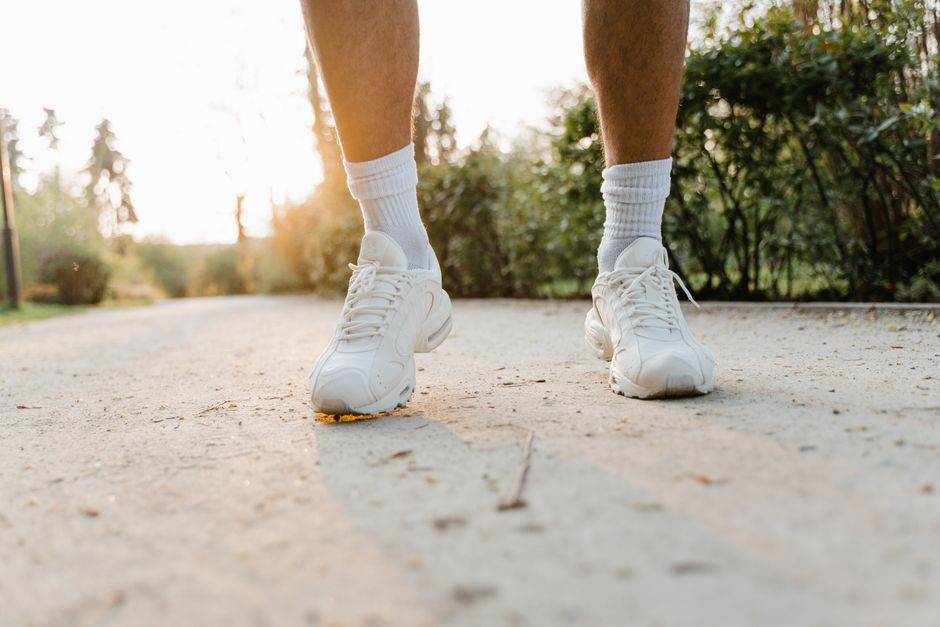
Multiply any small discomfort by ten thousand steps and it becomes an injury, so the details deserve respect. Walk in cushioned shoes with a flexible sole and a thumb's width ahead of the longest toe — sports shoes, not leather office shoes or hard chappals, whose flat soles transmit every impact. Prefer even surfaces early on: parks, society compounds, school grounds in the morning; broken pavements and rush-hour lanes add twisted-ankle risk that beginners do not need. In summer, shift to dawn or after sunset and carry water; in winter smog spells, an indoor circuit of corridors and stairs is an honest substitute. People with diabetes should check their feet daily for unnoticed blisters — reduced sensation can hide them until they become wounds.
Making it stick: engineering the habit, not the willpower
Programmes fail at week three, when novelty fades, so build the habit scaffolding early. Anchor the walk to an existing fixture — straight after morning puja, after dropping children to the school van, the first fifteen minutes after dinner, a slot Indian tradition has always endorsed for digestion's sake. Recruit company: a spouse, a neighbour, the society's informal walkers' group, because an appointment with another person survives laziness that a private plan does not. Track something visible — days walked on a calendar, a step count — and judge yourself by weekly totals, never single days. Rain plans matter too: a covered parking level or mall corridor keeps the chain unbroken.
When plain walking stops challenging you
After two or three months, a fit walker's body adapts, and the same route stops being training. Rather than endless extra minutes, add intensity in slices: interval walking — one minute noticeably fast, two minutes easy, repeated six to ten times — raises fitness efficiently; hills, stair sections or a loaded backpack add strength stimulus; and a longer weekend walk builds endurance. Walking cannot do everything — it does not build much upper-body or leg strength, so the sit-to-stands and resistance work described elsewhere on this site remain worthwhile companions — but as the daily backbone of health, an intelligently progressed walk is hard to beat.
Listen while you walk: normal niggles versus stop signs
New walkers should expect some mild muscle soreness, settling within days as tissue adapts. Persistent pain in the shins, heels, knees or hips that worsens week on week means the progression outran your tissues — halve the dose for a fortnight and rebuild more slowly, or get assessed. And certain symptoms end the session and start a medical conversation: chest pain, pressure or unusual breathlessness during walking needs urgent attention; dizziness or near-fainting warrants review; calf pain that reliably arrives with walking and vanishes on standing still should be checked, as it can signal narrowed leg arteries; and a hot, swollen calf must be seen the same day. For everyone else, the stop sign is rare and the green light is daily.
Questions patients ask
Is walking after dinner really beneficial?
Yes — muscles clearing glucose after a meal blunt the post-meal blood sugar rise, which matters in diabetic and pre-diabetic households. Even ten to fifteen relaxed minutes helps; keep the pace gentle at night.
Do I need 10,000 steps a day?
The number is a marketing legacy, not a clinical threshold. Benefits climb steeply from sedentary levels upward, and meaningful gains appear well before ten thousand. Aim for brisk minutes rather than a magic step count.
Can I walk with knee arthritis?
Usually yes — walking nourishes cartilage and strengthens legs, and regular walkers with arthritis typically report less pain over time. Start short, build gradually, wear cushioned shoes, and pair it with knee strengthening.
Suggested articles
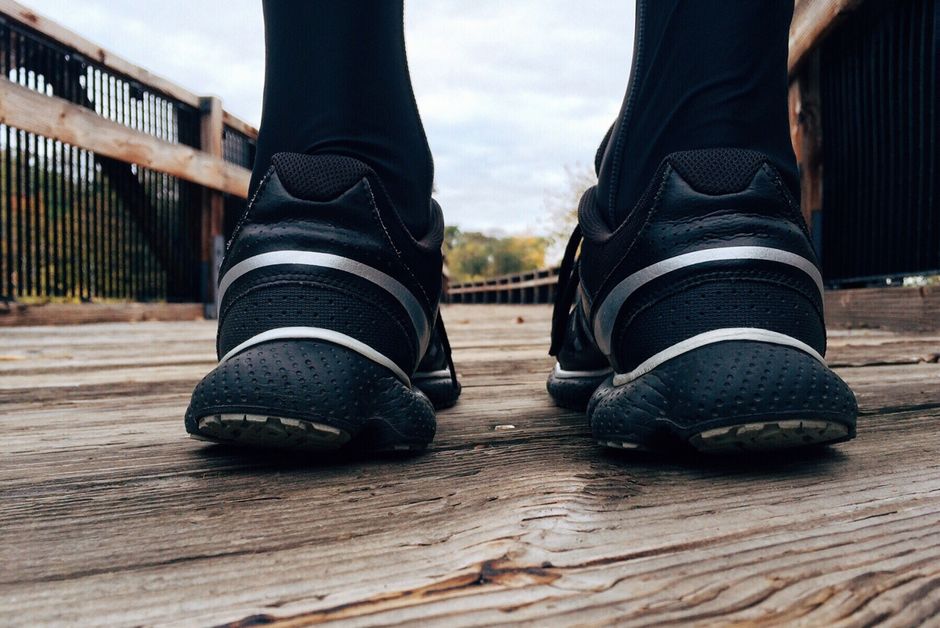
Walking vs Running: What Each Really Does to Your Joints
Running is not automatically bad for knees, and walking is not automatically enough. What impact really does to cartilage, and how to choose.
18 August 2026 · 4 min read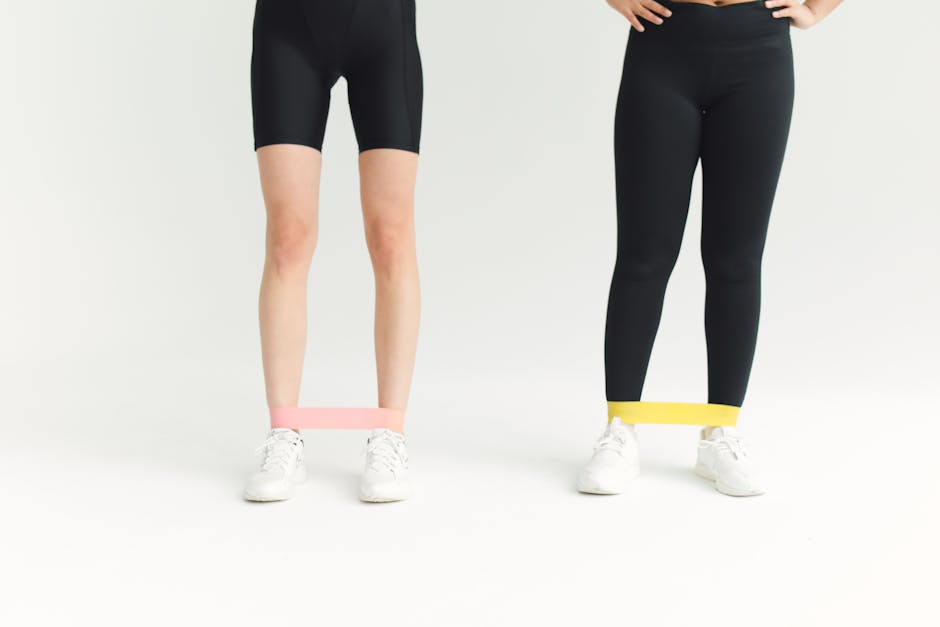
Resistance Bands for Beginners: A Full-Body Routine in Twenty Minutes
One rubber band, eight movements, twenty minutes: a beginner's full-body strength routine with clear sets, reps and form checks for every move.
18 August 2026 · 4 min read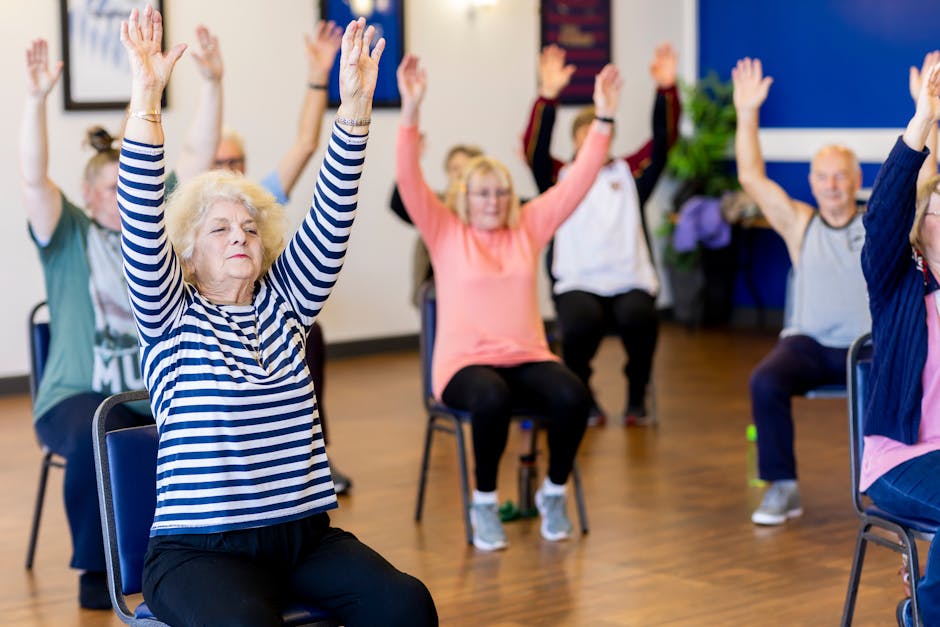
Gentle Sciatica Stretches for Seniors: Relief Without Strain
Chair-based, bed-based sciatica stretches designed for older bodies — gentle on hips and balance, precise about what each stretch should feel like.
17 August 2026 · 4 min read