
Tight Hamstrings: Safe Stretches That Actually Lengthen Them
MBM (Mind Body Motion) Physiotherapy · 16 May 2026 · 3 min read
The muscle everyone blames and nobody understands
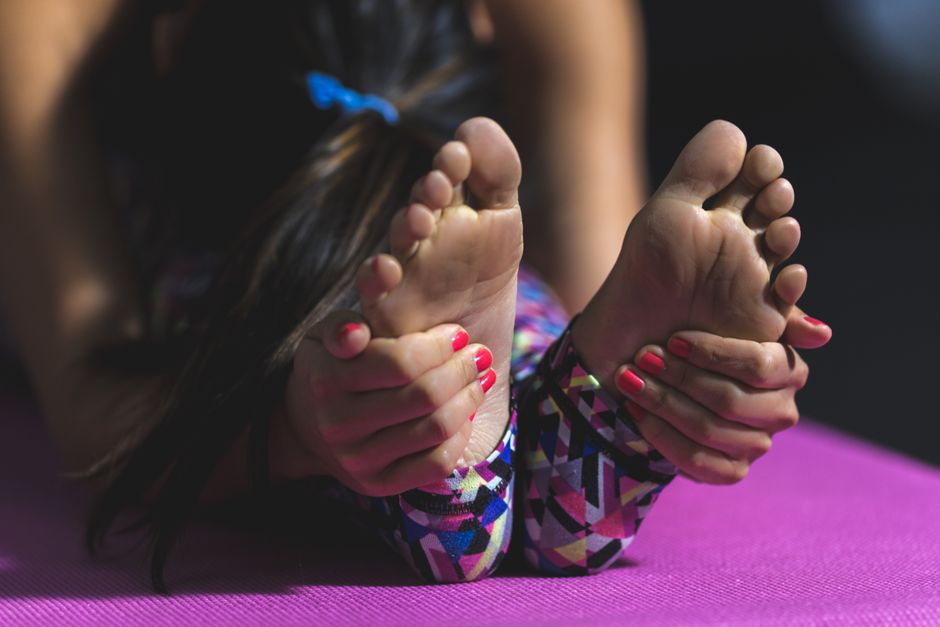
Hamstrings — the three muscles running down the back of each thigh — have become the villain of modern flexibility, blamed whenever fingertips stop short of toes. The truth is more interesting: in most desk-bound adults the hamstrings are not short so much as guarded, held on a tight leash by a nervous system that rarely experiences their full length. Sitting keeps them slack yet inactive for hours; the brain, never visiting their end range, sets the stretch alarm conservatively. Effective stretching works largely by resetting that alarm — which changes both how you should stretch and what you should expect.
What stretching actually changes in the first weeks
When flexibility improves over three to six weeks of regular stretching, the early gains come mostly from increased stretch tolerance — the nervous system allowing more length before firing its protective tension — rather than the muscle physically growing longer. This is genuinely good news, because tolerance changes faster than tissue. It also explains the golden rule: a stretch strong enough to make you grimace and hold your breath triggers the very guarding you are trying to switch off. Aim for a clear, breathable pulling sensation of moderate intensity, and let calm repetition do the persuading.
First rule: know what a hamstring stretch should not feel like
The stretch belongs in the meaty back of the thigh, roughly mid-way between buttock and knee. It should not be sharp pain behind the knee, tingling or numbness into the calf or foot, or a burning electric line down the leg — those patterns suggest you are tensioning the sciatic nerve rather than stretching muscle, and pulling harder on an irritated nerve makes things worse. People with current sciatica, recent hamstring tears, or pain radiating below the knee should skip loaded stretching altogether and be assessed; everyone else should simply back off until the sensation is muscular, moderate and steady.
The lying strap stretch: the safest starting point
Lie on your back, both knees bent, and loop a towel or dupatta around one foot. Straighten that leg towards the ceiling only as far as the moderate-pull point, keeping the other foot flat on the floor and your lower back relaxed against it. Hold thirty to forty-five seconds, breathing slowly, and repeat two to three times per leg, most days of the week. Lying down removes the spine from the equation — no loaded forward bending — which makes this the version we give first to almost everyone, including those with back pain history. Let the leg soften a few degrees further on each exhale rather than cranking the towel.
The seated and doorway versions for variety
Once the strap stretch feels routine, add the chair version: sit on the front edge of a chair, straighten one leg with the heel on the floor and toes up, and hinge forward from the hips with a long, unrounded back until the pull arrives — thirty to forty-five seconds, two to three times each side. The common error is folding through the spine, which stretches the back instead of the hamstring; leading with the chest fixes it. At home, the doorway stretch works passively: lie at a door frame with one leg resting up the wall and the other through the doorway, and let time and gravity do two to three minutes of gentle work per side.
Why strengthening at length beats stretching alone
Hamstrings respond best when stretching is paired with strengthening through a full range, because a muscle loaded while lengthening adds contractile tissue and keeps its new range usable. Two simple options: from standing, hinge at the hips with a long spine and soft knees until the hamstrings pull, then return — two to three sets of eight to ten with light weight or none; and the seated good-morning pattern for beginners. Expect a working ache in the back of the thigh, and next-day soreness the first week, which is normal. Anyone with acute back pain or recent hamstring injury should have this dosed professionally first.
Honest timelines, and when tightness is not tightness
Practised five days a week at these doses, most adults notice clearly easier bending in three to six weeks — measured not by toe-touching bravado but by daily life: sitting on the floor at functions, putting on socks, picking things up without groaning. Plateaus are normal; add the strengthening version rather than stretching harder. And see a doctor or physio rather than stretching on if 'tightness' arrived suddenly with a tearing sensation, if the leg tingles or goes numb, if both legs have grown stiff and heavy over weeks (which merits a neurological check), or if a child or teenager has marked, persistent hamstring tightness with back stiffness — that combination deserves proper assessment, not a stretching chart.
Questions patients ask
How long until I can touch my toes?
With daily practice, most adults gain noticeable range in three to six weeks, though the toe-touch itself also depends on back and hip proportions. Judge progress by ease in daily movements rather than the floor.
Is bouncing while stretching more effective?
No — rapid bouncing triggers the muscle's protective reflex and raises strain risk in cold tissue. Slow holds of thirty seconds or more, at moderate intensity, produce better and safer gains.
Should I stretch hamstrings before running or sport?
Before sport, prefer a dynamic warm-up — leg swings, lunges, gradual jogging. Save long static holds for after activity or separate sessions, when warm tissue accepts stretch best.
Suggested articles
Walking vs Running: What Each Really Does to Your Joints
Running is not automatically bad for knees, and walking is not automatically enough. What impact really does to cartilage, and how to choose.
18 August 2026 · 4 min read
Resistance Bands for Beginners: A Full-Body Routine in Twenty Minutes
One rubber band, eight movements, twenty minutes: a beginner's full-body strength routine with clear sets, reps and form checks for every move.
18 August 2026 · 4 min read
Gentle Sciatica Stretches for Seniors: Relief Without Strain
Chair-based, bed-based sciatica stretches designed for older bodies — gentle on hips and balance, precise about what each stretch should feel like.
17 August 2026 · 4 min read