
Strong Knees: Exercises That Protect the Joint
MBM (Mind Body Motion) Physiotherapy · 17 May 2026 · 4 min read
The knee is only as good as the muscle around it
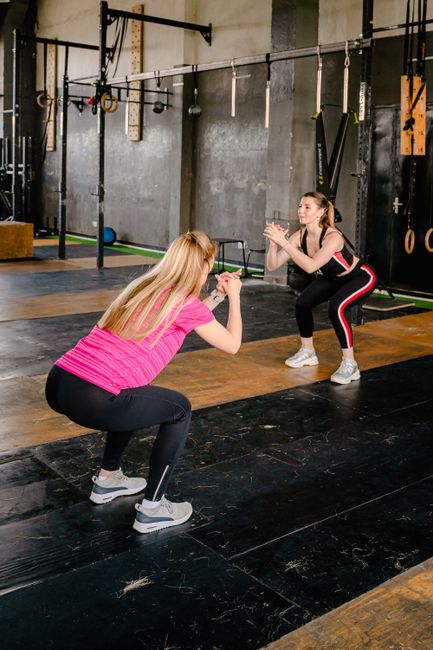
Knees take the blame for pain that is very often a strength problem in disguise. The joint itself is a hinge caught between two long levers, and every step, stair and squat sends force through it — force that arrives either into well-conditioned muscle acting as a shock absorber, or, when the thigh and hip are weak, into the joint surfaces and tendons directly. This is why strengthening reliably reduces pain even in knees with visible arthritis on X-ray: the cartilage has not changed, but the load reaching it has. The exercises below build that shock absorber, in order from gentlest to most demanding.
Level one: waking the quadriceps without bending the knee
Static quadriceps sets suit even a sore, swollen knee. Sit with the leg straight, a rolled towel under the knee, and press the back of the knee down into the towel, tightening the front thigh so the kneecap glides up — hold five to ten seconds, ten to fifteen repetitions, two to three times daily. Progress to straight-leg raises: lying on your back, one knee bent, tighten the straight leg's thigh and lift the heel about thirty centimetres, holding five seconds, two to three sets of ten. Feel firm muscle work in the thigh; there should be no sharp knee pain. Anyone with a hot, swollen knee, a locking joint, or a recent injury with instability should be assessed before exercising.
Level two: sit-to-stand, the exercise disguised as life
The humble act of standing from a chair, repeated deliberately, is one of the best knee builders available. Sit on a firm chair, feet hip-width apart and pulled slightly back, lean the chest forward and stand up without using the hands, then lower back down over three slow seconds — two to three sets of eight to twelve, three to four days a week. The slow lowering matters most, because muscle working while lengthening is the exact demand of stairs and slopes. Make it harder over weeks by using a lower stool, holding a filled water bottle at the chest, or pausing halfway down. Mild ache around the kneecap that eases as sets proceed is acceptable; sharp pain or swelling the next day means the dose was too high.
Level three: step-ups and the control of the descending knee
Using the bottom stair, step up with the target leg, bringing the other foot to meet it, then step down backwards with control — two to three sets of eight to ten per leg. Watch the knee in a mirror or window reflection: it should travel over the second toe, not dive inward towards the other leg, because that inward collapse is the pattern behind much kneecap pain. If it collapses, lower the step height and slow down. You should feel thigh and buttock muscles working strongly; a rail or wall nearby is sensible for balance. Those with significant balance problems or recent falls should do these only with support at hand.
The forgotten half: hips that steer the knee
The knee is steered from above — when hip muscles are weak, the thigh rotates and drifts inward, and the knee pays for the poor steering. Two additions cover it: side-lying leg raises, lying straight with the top leg lifted thirty centimetres, toes facing forward, held two seconds, two to three sets of ten to twelve per side; and the clam, side-lying with knees bent and feet together, opening the top knee like a shell without rolling the pelvis back, in the same sets and reps. The burn belongs at the side of the hip and buttock. Desk-bound patients are almost always astonished at how hard these small movements feel — which is precisely the finding that explains their knees.
Progression, soreness rules and the arthritis question
Strength changes arrive on a biological schedule: expect easier stairs in three to four weeks and solid change by eight to twelve, provided the load creeps up — one more repetition, a slower descent, a small added weight each week. Use the twenty-four-hour rule to judge dose: mild working soreness that settles within a day is productive; pain that is worse the next day, or a knee that swells after sessions, means step back one level for a week. For knee arthritis specifically, this progression is first-line treatment worldwide — strengthening, weight management and activity — and it is worth two honest months before any surgical conversation for most people.
When a knee needs diagnosis before exercise
Certain knees should see a professional before a programme: a knee that locks solid or gives way and drops you, a joint that is hot, red and swollen without injury (which needs a doctor promptly, since infection and gout are medical problems, not training problems), a knee injury that swelled within an hour of a twist or impact, pain in a child or teenager that wakes them at night, or knee pain with fever. After significant injury, and for anyone with osteoporosis or recent surgery, the levels above still apply but the starting rung and pace should be set by assessment. For everyone else, the message is the opposite of rest: knees are protected by the muscle you build, not the movement you avoid.
Questions patients ask
My knees click during squats — should I stop?
Painless clicking is common and usually harmless, caused by tendons moving over bone and pressure changes in the joint fluid. Stop and get assessed only if clicking comes with pain, swelling or locking.
Are full deep squats bad for the knees?
Not inherently — deep squatting is normal human movement, familiar to anyone using an Indian toilet. Build up to depth gradually; painful arthritic knees often tolerate partial range better and can deepen over months.
Should I use a knee cap or brace while exercising?
A simple sleeve can add comfort and confidence in arthritis, and that is fine. It does not replace strengthening, and exercising without it when comfortable helps the muscles do their own bracing.
Suggested articles
Walking vs Running: What Each Really Does to Your Joints
Running is not automatically bad for knees, and walking is not automatically enough. What impact really does to cartilage, and how to choose.
18 August 2026 · 4 min read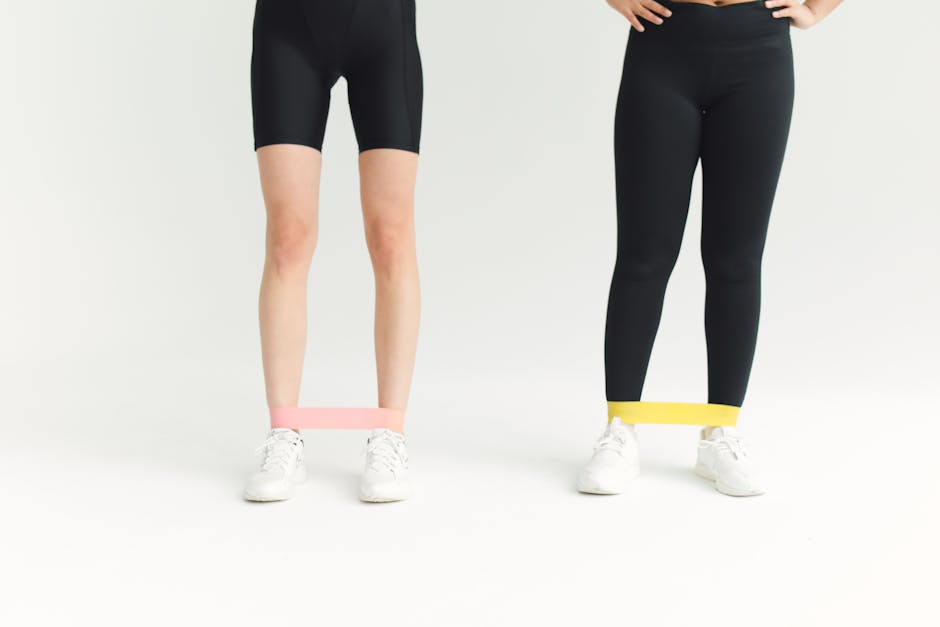
Resistance Bands for Beginners: A Full-Body Routine in Twenty Minutes
One rubber band, eight movements, twenty minutes: a beginner's full-body strength routine with clear sets, reps and form checks for every move.
18 August 2026 · 4 min read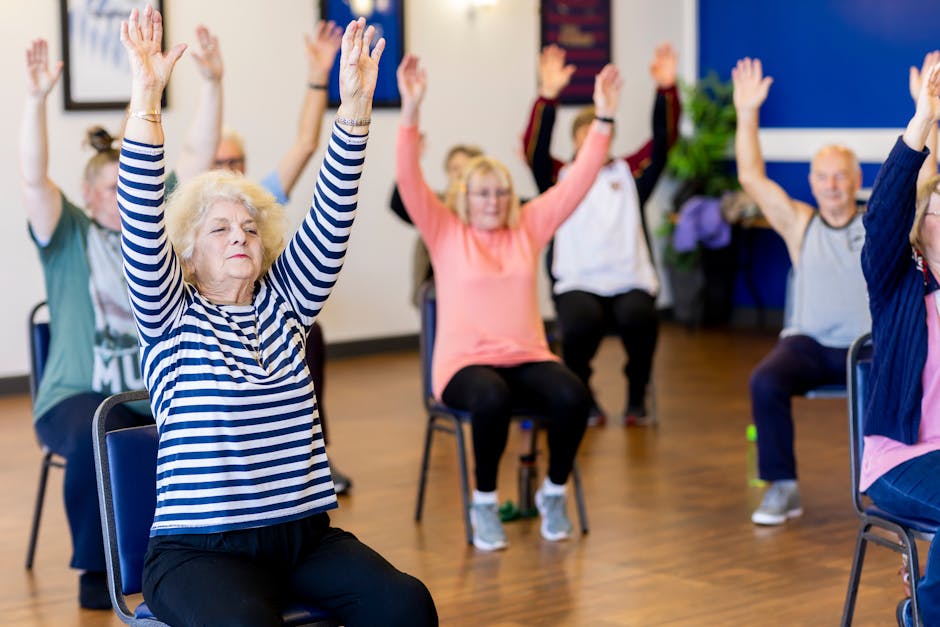
Gentle Sciatica Stretches for Seniors: Relief Without Strain
Chair-based, bed-based sciatica stretches designed for older bodies — gentle on hips and balance, precise about what each stretch should feel like.
17 August 2026 · 4 min read