
Eight Stretching Mistakes That Keep You Tight (or Get You Hurt)
MBM (Mind Body Motion) Physiotherapy · 4 June 2026 · 3 min read
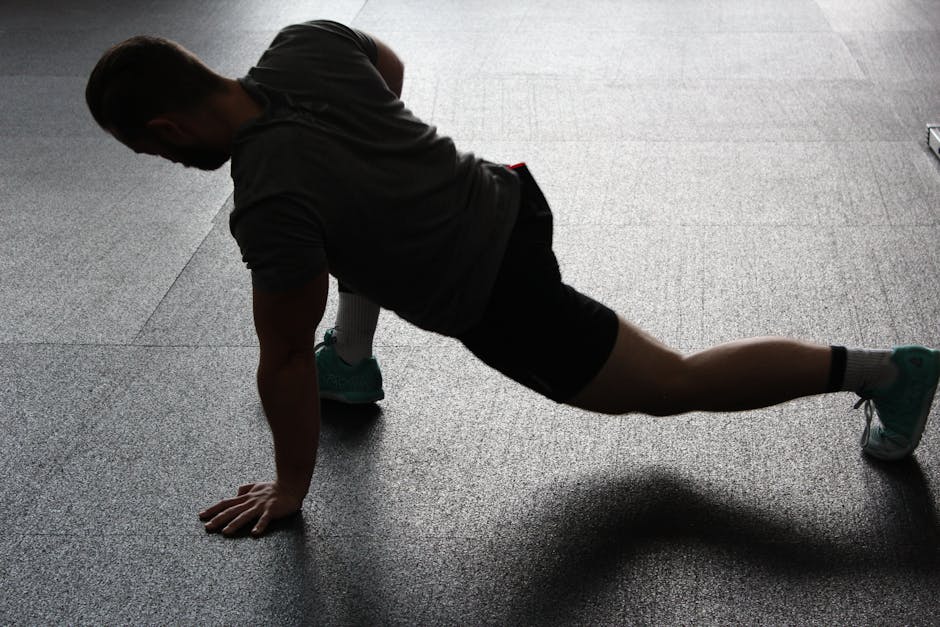
Why months of stretching can produce zero change
Patients often tell us they have touched their toes every morning for a year and their hamstrings feel exactly as tight as the day they started. Flexibility improves when the nervous system learns that a lengthened position is safe, and that learning only happens when a stretch is held long enough, often enough, and gently enough for the muscle to stop guarding. Most stretching mistakes break one of those three conditions, which is why effort alone does not guarantee results.
Understanding those conditions turns stretching from a ritual into a technique. The muscle you are lengthening is wrapped in connective tissue and monitored by sensors that report every change of length and speed to the spinal cord, and your results depend on keeping those sensors calm while you work. Each mistake below upsets that calm in its own distinctive way, which is why fixing them changes results within weeks.
Mistake one: bouncing at the end of the range
Bouncing feels productive because you briefly reach further, but each bounce triggers the stretch reflex — a protective contraction wired through the spinal cord that fires when muscle length changes too fast. You are asking the muscle to lengthen while simultaneously commanding it to tighten, and the tightening usually wins. Move into the stretch slowly over three or four seconds, stop at the point of firm pulling, and stay still. A quiet muscle lengthens; a startled one does not.
Mistake two: stretching a completely cold muscle
Muscle and its surrounding fascia behave a little like wax — pliable when warm, resistant and more tear-prone when cold. Stretching hard first thing on a winter morning in an unheated room, before any movement, puts the tissue at its least cooperative moment. Two or three minutes of brisk walking, arm circles or climbing a flight of stairs raises tissue temperature enough to change how the stretch feels. Save your deepest stretching for after a walk or workout, when circulation is already high.
Faridabad winters make this rule twice as important, because tissue temperature genuinely drops in an unheated room and the same forward fold that felt easy in July can strain a fibre in January. The seasonal rise in muscle pulls we see every winter is largely a cold-tissue story, and two minutes of preliminary movement is the whole prevention.
Mistakes three and four: too short, too rare
A five-second pull while you wait for the lift does almost nothing, because the guarding response in the muscle takes fifteen to twenty seconds just to begin easing. Hold each stretch for twenty to thirty seconds, repeat it two to four times, and breathe normally throughout. Frequency matters even more than duration: five sessions a week of modest stretching beats one heroic Sunday session, because tissue adapts to repeated exposure, not occasional punishment.
The practical fix for frequency is anchoring stretches to fixed points in the day rather than relying on a dedicated session that keeps getting postponed. Calf stretches while the morning tea brews, a doorway chest stretch after parking the two-wheeler, hamstring work during the evening serial — three anchored minutes, thrice daily, quietly outperform the grand weekend routine.
Mistakes five and six: chasing pain and holding your breath
A stretch should feel like firm, spreading tension in the belly of the muscle — never sharp, burning or electric pain, and never pins and needles down a limb. Pain means the nervous system is alarmed, and an alarmed system responds by tightening protectively, so pushing harder is literally counterproductive. Breath-holding does the same thing on a smaller scale, raising whole-body tension. Exhale slowly as you settle into position; most people sink noticeably deeper on the out-breath without trying.
Mistakes seven and eight: wrong target, wrong direction
Many people stretch what feels tight rather than what is actually short — hamstrings that feel tight are often being pulled taut by a pelvis tipped forward from hip-flexor stiffness after long desk hours, and stretching them harder misses the cause. The second version of this error is stretching an already irritated nerve, common in sciatica, where aggressive toe-touching can inflame symptoms. If one stretch has felt tight for months despite honest work, or reproduces leg or arm symptoms, get the pattern assessed rather than repeating it.
When tightness needs a clinic visit, not a stretch
See a physiotherapist or doctor if tightness arrived suddenly after an injury, if it comes with swelling, visible deformity or deep night pain, or if stretching sends tingling or numbness into a hand or foot. A calf that becomes tight, swollen and warm on one side needs urgent medical review the same day, because that pattern can signal a blood clot rather than a muscle problem. For everything else, correct the technique first — most people who stretch properly for six weeks feel a clear difference.
Questions patients ask
Should stretching be done before or after exercise?
Before exercise, keep it dynamic — leg swings, arm circles and easy movement through range. Save long static holds for after activity, when warm tissue responds best and relaxation does not blunt your strength.
How long until I actually become more flexible?
With holds of twenty to thirty seconds, repeated most days, most people notice easier movement in two to three weeks and measurable change by six to eight. Missed weeks slow it down more than short sessions do.
Is it normal to feel sore the day after stretching?
Mild, short-lived muscle soreness after a new routine is common. Sharp pain, bruising, or soreness lasting more than two days means the stretch was too aggressive — ease the intensity, not the habit.
Suggested articles
Walking vs Running: What Each Really Does to Your Joints
Running is not automatically bad for knees, and walking is not automatically enough. What impact really does to cartilage, and how to choose.
18 August 2026 · 4 min read
Resistance Bands for Beginners: A Full-Body Routine in Twenty Minutes
One rubber band, eight movements, twenty minutes: a beginner's full-body strength routine with clear sets, reps and form checks for every move.
18 August 2026 · 4 min read
Gentle Sciatica Stretches for Seniors: Relief Without Strain
Chair-based, bed-based sciatica stretches designed for older bodies — gentle on hips and balance, precise about what each stretch should feel like.
17 August 2026 · 4 min read