
Chair Yoga at Your Desk: Ten Moves Nobody Will Notice
MBM (Mind Body Motion) Physiotherapy · 19 August 2026 · 4 min read

Yoga that hides in plain sight
Nobody at the next desk needs to know you are practising yoga. Chair yoga takes the essential machinery of a practice — spinal movement in every direction, breath leading movement, held stretches, quiet attention — and folds it into shapes that read as ordinary fidgeting in an open-plan office, whether that office is in Faridabad or Denver. The point is not performance; it is interrupting the physiological cost of stillness, because muscles begin stiffening and circulation slows within half an hour of unbroken sitting.
What separates this from a list of desk stretches is the breath. Each move below pairs with slow nasal breathing — roughly four counts in, six counts out — which nudges the nervous system towards its calm setting while the joints move. Ten moves, one to two minutes each, scattered across the day: that is a complete practice hiding inside a workday.
Moves one to three: wake the spine
Seated cat-cow: sit towards the front of the chair, hands on knees. Inhale while rolling the pelvis forward, lifting the chest and letting the gaze rise slightly; exhale while rounding the spine, tucking the chin. Eight slow cycles.
Seated side bend: right hand grips the chair edge, left arm stays low or rises only to shoulder height, and you lean gently right until the left waist and ribs stretch, three slow breaths per side. Seated twist: sit tall, place both hands lightly on one armrest or thigh, and rotate the ribcage — not just the neck — over three breaths each way, growing the turn on each exhale. Keep twists gentle if you have osteoporosis or a disc problem, and skip them if they provoke any arm or leg tingling.
Moves four to six: undo the screen posture
Chin glides: draw the head straight back into a subtle double chin, hold five seconds, release; ten repetitions. This is the antidote to the forward-drifting head that screens cultivate, and it is completely invisible behind a monitor. You should feel light effort deep in the front of the neck and a stretch at the skull's base — never dizziness, which means stop.
Shoulder rolls with breath — inhale as the shoulders rise and roll back, exhale as they drop, eight rounds — followed by a seated chest opener: hands clasped behind you resting on the chair back, breastbone lifting for three to five breaths. The stretch belongs across the chest and front shoulders. Anyone with a recent shoulder dislocation or significant shoulder pain should keep the hands low and the range small.
Moves seven and eight: hips and hamstrings under the desk
Seated figure-four: place the right ankle over the left knee, sit tall, and hinge forward a few degrees until the right buttock stretches, three to five slow breaths per side. Under a desk this passes entirely unnoticed, yet it targets the deep hip rotators that shorten through every seated hour. Keep the foot flexed to protect the knee, and skip this one after a hip replacement unless your surgeon has cleared it.
Seated hamstring reach: slide one heel forward until the knee straightens, rest both hands on the bent thigh — not the straight leg — and hinge slightly forward from the hips with a long spine until the back of the straight thigh wakes up. Three breaths per side. A gentle pull is the goal; any electric or tingling sensation down the leg means bend the knee and reduce the hinge.
Moves nine and ten: legs, circulation and one quiet minute
Seated leg extensions with a hold: straighten one knee, pull the toes back towards you, tighten the thigh firmly for five seconds, then lower slowly; eight per side. This keeps the quadriceps switched on across a sedentary day. Follow with heel-and-toe pumps — ten rises onto the toes, ten rocks back onto the heels — which squeeze the calf muscles that act as the body's second heart, pushing pooled blood back up from the legs.
Close with one minute of quiet breathing: feet flat, hands resting, eyes soft or closed if the office culture allows, inhaling for four counts and exhaling for six. To anyone passing you are thinking about an email. Physiologically, the extended exhale is slowing your heart rate through the vagus nerve — a genuine reset in sixty seconds, no mat required.
Scheduling it so it actually happens
Scatter beats bulk: three moves at mid-morning, three after lunch, four in the late-afternoon slump outperform one heroic session that meetings will eventually kill. Anchor the moves to events that already happen — every time a long call starts, every chai or coffee break — because habits attached to existing routines survive where timer-based plans die. The whole day's practice totals twelve to fifteen minutes.
None of this replaces standing and walking — the chair versions manage the cost of sitting, they do not abolish it. Stand for phone calls, walk to a colleague instead of messaging once or twice a day, and treat the stairs as free training; chair yoga plus those movement snacks is the complete package.
Cautions even for gentle practice
Gentle as this is, a few flags still apply. Stop and seek advice if any move triggers chest pain, breathlessness beyond mild effort, dizziness, or pain, numbness or tingling radiating into an arm or leg. Recent surgery, unmanaged high blood pressure, significant osteoporosis or a current disc problem call for a quick word with your doctor or physiotherapist about which moves to trim — usually the twists and deeper hinges. Everything here should feel like relief within a minute of finishing; anything that leaves lingering pain is worth assessing.
Questions patients ask
Is chair yoga actually effective, or just token movement?
It genuinely moves every region that sitting stiffens — spine, hips, hamstrings, neck, shoulders — and the breathing component measurably calms the stress response. It will not build fitness on its own, so pair it with daily walking and some strength work.
How often should I do these moves during a workday?
Aim for a few moves every sixty to ninety minutes rather than one long session. Frequency is the active ingredient: regular small interruptions to sitting protect posture and circulation better than a single perfect break.
Can I do chair yoga if I have back pain right now?
Usually yes — seated cat-cow, chin glides and supported breathing are gentle enough for most flare-ups and often ease them. Skip twists and forward hinges if they increase pain, and see a professional if pain radiates down a limb or persists beyond two weeks.
Suggested articles
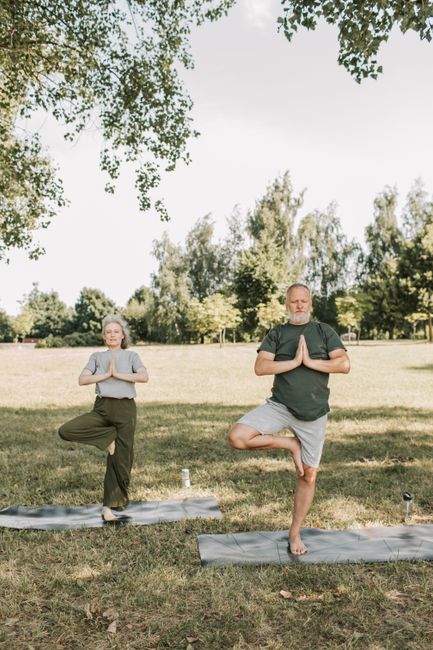
Balance Yoga for Seniors: Steadiness You Can Build at Any Age
Balance is trainable at any age. A supported yoga sequence for seniors — wall-side tree, mindful transfers, breath — that rebuilds steadiness.
20 August 2026 · 4 min read
Yoga With Knee Pain: Modifying Practice Instead of Quitting It
Knee pain rarely means quitting yoga. How to modify kneeling, deep bends and standing poses with props and angles so practice strengthens.
20 August 2026 · 4 min read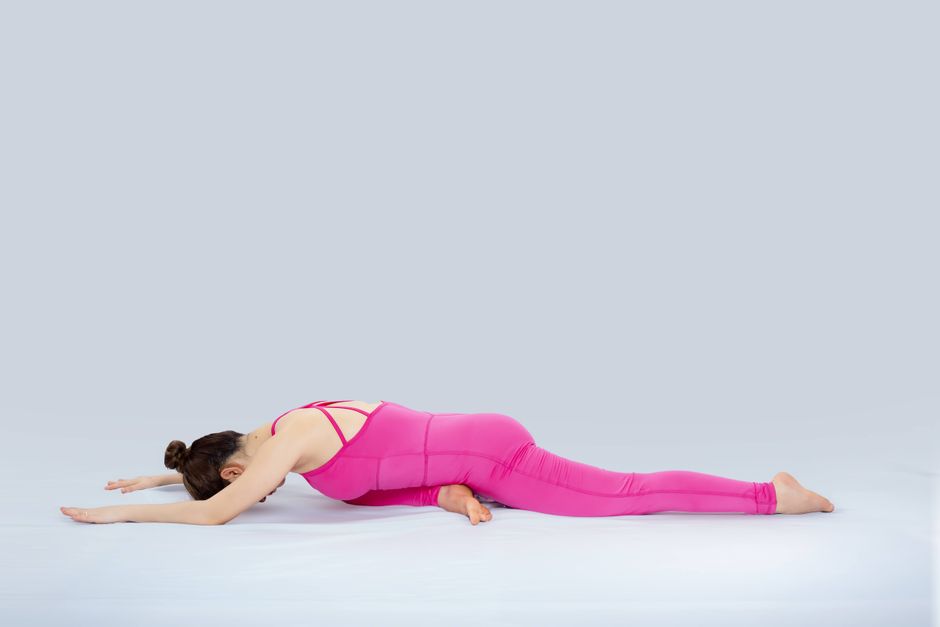
Yoga for Sciatica: Poses That Decompress and Poses That Provoke
Which yoga poses ease sciatic nerve pain, which reliably provoke it, and how to modify a practice so the nerve calms instead of flaring.
18 August 2026 · 4 min read