
Yoga With Knee Pain: Modifying Practice Instead of Quitting It
MBM (Mind Body Motion) Physiotherapy · 20 August 2026 · 4 min read
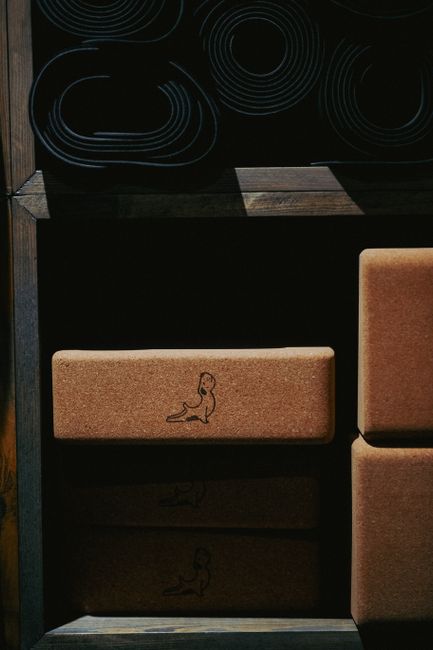
Painful knees end practices that props could have saved
Painful knees end more yoga practices than lack of time does, and most of those endings are unnecessary. A knee is a hinge caught between two long levers, and yoga's classic shapes load that hinge in three specific ways: kneeling presses the kneecap into the floor, deep bends compress the joint's cartilage and menisci at maximum angles, and standing poses twist the hinge when the foot and hip fail to cooperate. Each of those loads can be dialled down with props and angles while the pose keeps its purpose.
The reward for staying is real: the strength that chair and warrior poses build is precisely what protects arthritic and irritated knees, and controlled movement keeps cartilage nourished. Quitting practice to protect the knees usually leaves them weaker and no less painful a year later.
Know your knee's complaint before you modify
Pain at the front of the knee, worst in deep bends and kneeling, usually involves the kneecap joint and asks you to limit depth and padding-load. An inner or outer joint-line ache, especially with twisting shapes like lotus attempts, points to the meniscus territory and asks you to stop rotating a bent, loaded knee. A generalised arthritic ache warms up as practice proceeds and mainly needs gentler starts and stronger thighs.
One symptom overrides modification entirely: a knee that locks, gives way, or swells visibly after practice needs assessment before more yoga. For everything else, the adjustments below cover most practices.
Kneeling poses: pad, roll, or raise
For any kneeling shape — cat-cow, table, low lunge, vajrasana (the Indian thunderbolt sit used at prayer and after meals) — double the padding: fold the mat, add a blanket, or place a flat cushion under the kneecaps. If the problem is the fold rather than the pressure, slide a rolled towel into the back of the knee crease before sitting back; the roll acts as a spacer that stops the joint closing to its painful end range. Hero pose and vajrasana become accessible for many by sitting on a block or two stacked books so the hips stay well above the heels.
You should feel steady, dispersed contact and a tolerable stretch in the thighs, never a sharp point of pressure on the kneecap or pinching deep in the crease. Anyone within three months of knee surgery, or with severe kneecap arthritis, can replace floor kneeling entirely by doing cat-cow standing with hands on a table.
Deep bends: chair pose, warriors and the depth dial
Compression behind the kneecap climbs steeply as the knee bends past ninety degrees under load, so the single most useful modification in all of knee-friendly yoga is simply less depth. In chair pose (utkatasana), sit back as if towards a real chair but stop a third of the way down, weight in the heels. In warrior poses, shorten the stance and bend the front knee only to the point where the kneecap still sits vertically above the ankle, tracking over the second toe rather than diving inward.
Hold these shallower shapes for three to five slow breaths, building towards eight, and let the thighs burn — that burn is the strengthening your knees are owed. The feeling to avoid is sharpness behind or around the kneecap during the hold or a deep ache that arrives that evening; both mean reduce depth or hold time by half for a week.
Twists, lotus and floor sitting: protect the meniscus
The meniscus is loaded most dangerously when a bent knee rotates under body weight, which is exactly what forcing lotus, half-lotus or cross-legged depth does to stiff hips: the rotation the hip refuses gets passed down to the knee. The rule that protects you is to rotate at the hip or not at all — if the ankle will not float onto the thigh without the knee twisting sideways, practise seated crossed shins (sukhasana) on a raised cushion instead, and let lotus remain a someday shape.
Floor sitting for meals or satsang — routine in many Indian households — follows the same logic: elevate the hips on a folded blanket, switch leg positions every few minutes, and unfold the legs at the first sign of joint-line ache.
A knee-friendly session order that builds strength
Open with five minutes of gentle warming — pelvic tilts, standing cat-cow at a table, easy marching — because arthritic and irritated knees tolerate load far better once warm. Move through padded kneeling work, then the shallow strengthening holds: chair against a wall, short-stance warriors, bridge pose with a block between the knees to train the inner thighs. Finish with reclined stretches for hamstrings and hips using a strap, and a supported rest with calves on a chair.
Practise three to five days a week, and progress by adding a breath to each hold or a centimetre to each depth only when a full week has passed without after-effects, judging each new depth by how the joint feels the next morning. Swelling, warmth or a limp the day after practice means the dial went too far, not that yoga is finished.
When knee pain in yoga needs more than modification
Book a medical or physiotherapy assessment if the knee locks or catches, buckles under you, swells repeatedly after sessions, or hurts at night independent of movement. Sudden pain during a pose accompanied by a pop, an inability to bear weight, or rapid ballooning of the joint is an injury, not a modification problem — stop, ice, and get seen. And if six weeks of honest modification has not shifted a persistent ache, an examination will sort structural trouble from load management quickly.
Questions patients ask
Should I skip yoga entirely during a knee arthritis flare?
Rarely. Shrink the practice — standing work at a table, reclined stretches, gentle range of movement — rather than stopping, because complete rest stiffens and weakens an arthritic knee. Return to fuller practice as the flare settles over days to a couple of weeks.
Are yoga blocks and props a sign of weakness?
They are the opposite — precision tools that let you load the muscles you want while sparing the joint surfaces you must. Experienced practitioners with healthy knees use them for the same reason; nobody's knees benefit from unpadded suffering.
Which yoga style is safest for bad knees?
Hatha, Iyengar and chair-based classes suit painful knees best, because they move slowly and embrace props. Fast vinyasa flows with jump-throughs and deep repeated bends are the hardest on knees — save them for after strength returns, if at all.
Suggested articles
Balance Yoga for Seniors: Steadiness You Can Build at Any Age
Balance is trainable at any age. A supported yoga sequence for seniors — wall-side tree, mindful transfers, breath — that rebuilds steadiness.
20 August 2026 · 4 min read
Chair Yoga at Your Desk: Ten Moves Nobody Will Notice
Ten discreet chair yoga moves — breath-linked stretches and holds you can do in an open-plan office without leaving your seat or drawing stares.
19 August 2026 · 4 min read
Yoga for Sciatica: Poses That Decompress and Poses That Provoke
Which yoga poses ease sciatic nerve pain, which reliably provoke it, and how to modify a practice so the nerve calms instead of flaring.
18 August 2026 · 4 min read