
A Daily Power Yoga Routine for Strength and Stamina
MBM (Mind Body Motion) Physiotherapy · 6 June 2026 · 3 min read
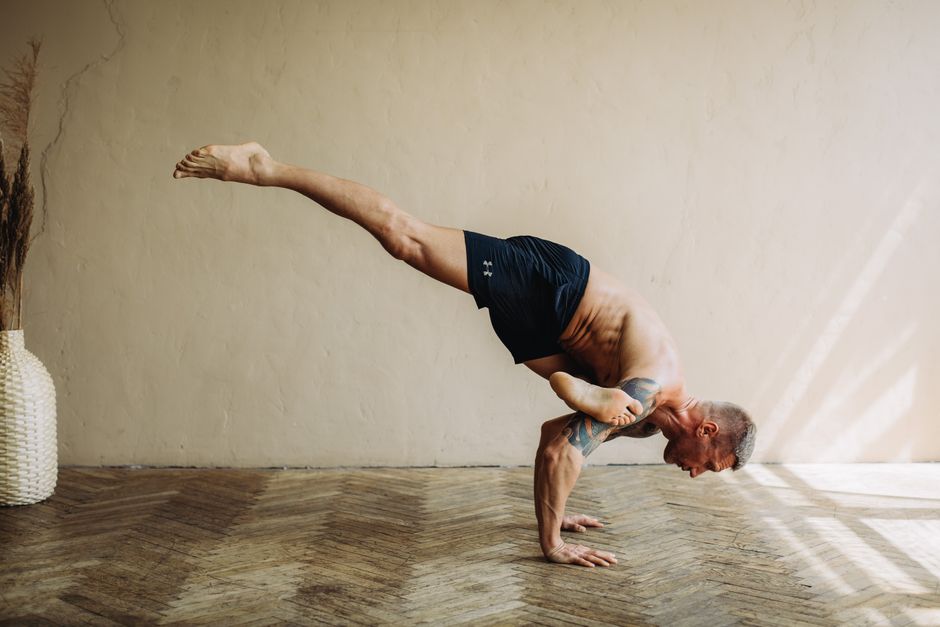
What makes power yoga different from a stretching class
Power yoga keeps you moving between poses with the breath, holds strength positions long enough for muscles to genuinely fatigue, and repeats sequences so the heart rate stays raised. Your muscles work isometrically — contracting hard without changing length — which builds strength and endurance at the same time, while the continuous flow trains stamina the way a brisk walk does. Done daily, it is a legitimate workout, not just supple shapes on a mat.
Before you start: who should modify or wait
This routine suits reasonably healthy adults who can already get up and down from the floor comfortably. If you have uncontrolled blood pressure, recent surgery, disc-related back or leg pain, significant knee arthritis or you are pregnant, get individual guidance first, because loaded holds and deep bends can aggravate each of those. Wrist pain is the most common complaint in newcomers; spreading the fingers wide and gripping the mat reduces the load, and working on fists is a fair substitute.
Minutes one to five: warming the body with slow rounds
Begin with three slow rounds of Surya Namaskar, taking each position on a full breath rather than rushing. Step back into positions instead of jumping for the first round, letting shoulders, hamstrings and calves feel the movement before demanding speed. By the third round your breathing should be noticeably deeper and the body warm — that warmth is circulation reaching the muscles you are about to load, and it makes every later hold safer.
Treat these opening rounds as information as much as preparation. A shoulder that pinches or a wrist that complains during slow rounds will not improve at speed, so adjust hand position or depth now, while the pace still allows thought. Launching straight into fast flows on a stiff morning body is how most home practitioners get hurt.
Minutes five to fifteen: the standing strength block
Move through Warrior One, Warrior Two and Chair pose, holding each for five to eight slow breaths — roughly thirty to forty-five seconds — on each side. In the Warrior poses the front knee bends to track directly over the ankle, never collapsing inwards, and you should feel steady burning effort in the front thigh and buttock. In Chair pose, sit the hips back as though reaching for a stool, weight through the heels, arms overhead. Effort in thighs and shoulders is the goal; pinching in the knee cap or lower back is a signal to reduce depth.
Minutes fifteen to twenty-two: plank work for the trunk
Hold a straight-arm plank for twenty to forty seconds, lower the knees if the hips sag, then take side plank for fifteen to twenty seconds per side, building to three rounds of each. The trunk muscles here are working to resist gravity twisting or folding you — that anti-collapse strength is exactly what protects the spine when you lift a gas cylinder or a squirming child. You should feel deep abdominal effort and mild shaking; you should not feel low-back pain or wrist sharpness.
If the full holds are out of reach at first, accumulate the time in pieces — three rounds of ten seconds with short rests builds the same capacity while keeping your line honest. A sagging thirty-second plank mostly trains the lower back to complain, whereas three crisp ten-second holds train the trunk to actually hold.
Minutes twenty-two to thirty: faster flows, then a real cool-down
Finish the working block with four to six quicker rounds of Surya Namaskar, one movement per breath, letting the heart rate climb to the point where conversation would be slightly broken. Then earn your recovery: two minutes in Child's pose, a gentle seated twist each side, and eight to ten slow breaths lying flat. The cool-down is where heart rate and blood pressure settle gradually — skipping it and rushing to the shower is the most common way people leave a session feeling dizzy.
Progressing week by week without breaking down
For the first two weeks, do the routine on alternate days and treat every hold time as a ceiling, not a target. From week three, add breaths to the standing holds before adding rounds, because deeper fatigue in good positions beats more repetitions in sloppy ones. Persistent joint pain that outlasts a session by a day, morning stiffness that worsens week on week, or pain that is sharp rather than muscular means the load has outrun your recovery — scale back and, if it persists beyond two weeks, have it assessed.
Keep one day a week completely free of the practice even when enthusiasm runs high, because isometric holds tax tendons as well as muscle, and tendons adapt on a slower calendar than either. The strength you are chasing is actually built in the gaps between sessions, not during them.
Questions patients ask
Can power yoga replace the gym for strength?
It builds real strength and endurance in beginners and intermediates using body weight. If your goal is maximum muscle size or heavy lifting strength, weights still win, but for functional everyday strength this routine covers most needs.
Is thirty minutes daily too much for a beginner?
Daily is ambitious at the start. Begin with three sessions a week on alternate days, and move towards daily practice over a month as soreness after sessions fades.
Should I practise on an empty stomach?
A light stomach works best — leave two to three hours after a full meal. Early morning before breakfast is fine for most people; keep water nearby and stop if you feel light-headed.
Suggested articles
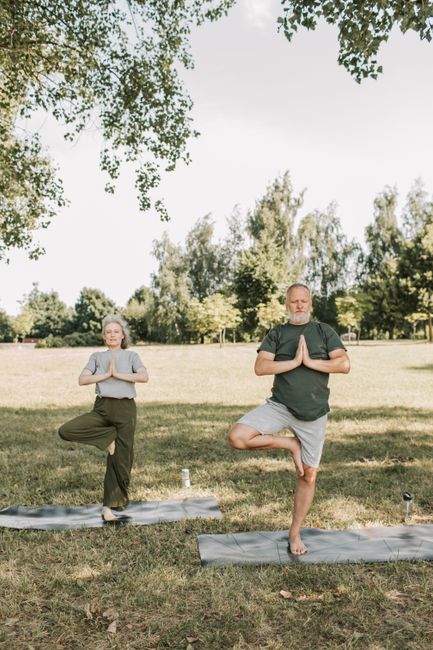
Balance Yoga for Seniors: Steadiness You Can Build at Any Age
Balance is trainable at any age. A supported yoga sequence for seniors — wall-side tree, mindful transfers, breath — that rebuilds steadiness.
20 August 2026 · 4 min read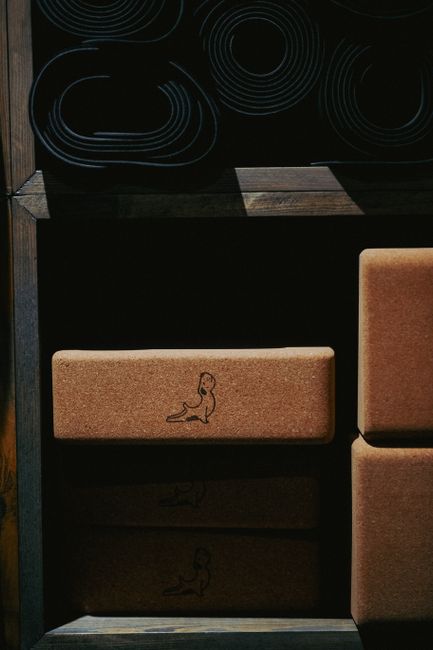
Yoga With Knee Pain: Modifying Practice Instead of Quitting It
Knee pain rarely means quitting yoga. How to modify kneeling, deep bends and standing poses with props and angles so practice strengthens.
20 August 2026 · 4 min read
Chair Yoga at Your Desk: Ten Moves Nobody Will Notice
Ten discreet chair yoga moves — breath-linked stretches and holds you can do in an open-plan office without leaving your seat or drawing stares.
19 August 2026 · 4 min read