
From Stiff to Supple: A Yoga Path to Real Flexibility
MBM (Mind Body Motion) Physiotherapy · 13 June 2026 · 3 min read
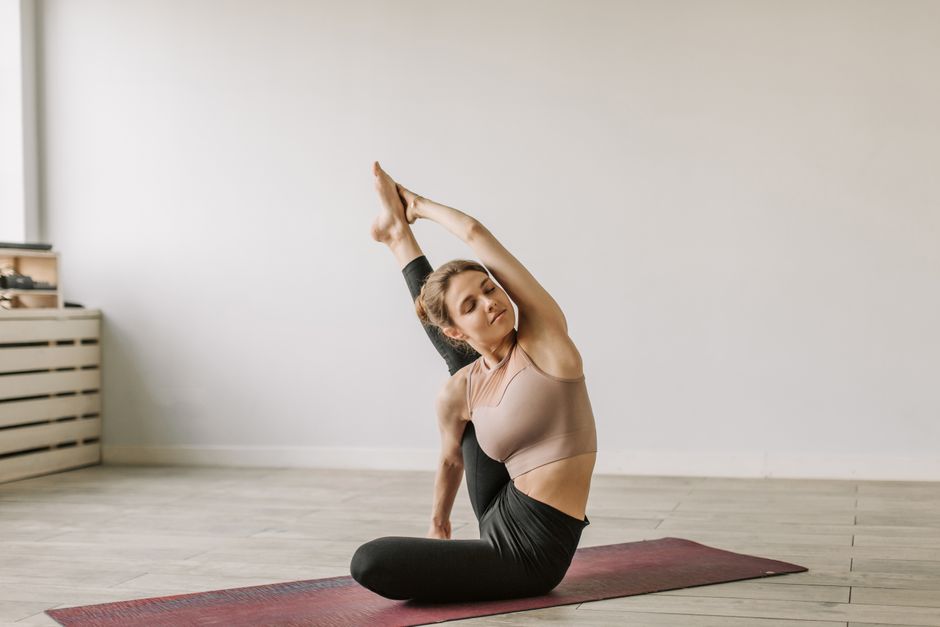
Flexibility is trainable at any age — here is the mechanism
Stiffness in most adults is not shortened muscle fibre so much as a protective nervous system that halts movement early, plus connective tissue that has adapted to narrow daily ranges. Chairs, two-wheelers and desks ask very little of our hips and spines, so the body economises. When you hold a pose calmly for thirty seconds or more, breathing slowly, the guarding reflex fades and the tolerated range extends; repeat that most days for weeks and the tissue itself begins to adapt. Age slows this process but never cancels it — we see people in their sixties regain comfortable floor sitting.
Weeks one to three: the foundation four
Start with poses that are hard to do badly. Cat-cow for eight slow cycles wakes the spine. A supported low lunge — back knee on a folded blanket, hips easing forward — opens the hip flexors that desk work shortens; hold thirty seconds per side and feel the pull across the front of the back hip. A reclined hamstring stretch with a towel or belt around the foot keeps the back safe while the leg straightens gradually. Finish with a supported butterfly, soles of the feet together and cushions under the knees, letting gravity do the work for a full minute.
Run through all four once, both sides where relevant — the whole circuit takes about ten minutes with the holds included. Repeat it in the evening if life allows, because two short exposures a day change tissue faster than one long weekend session ever will.
What a productive stretch should feel like
Aim for a firm, warm pulling sensation in the muscle belly, at an intensity you could comfortably hold while talking — around six out of ten. Sharp pain, pinching in a joint crease, burning, or tingling into a hand or foot are all signals to back off immediately, because they mean you are stressing joint structures or nerves rather than lengthening muscle. The out-breath is your depth control: each slow exhale lets you settle a few millimetres further without forcing anything.
Weeks four to eight: adding depth and the spine
Once the foundation four feel easy, add a half split with the front leg extended and hands on blocks or thick books, a seated forward fold with knees generously bent so the fold comes from the hips, and a reclined twist with both knees dropping to one side for forty-five seconds each way. Increase hold times towards sixty seconds before increasing depth. Twice a day beats one long session, because tissue responds to frequency; ten minutes in the morning and ten in the evening is a realistic rhythm around office hours.
Why floor sitting is both a goal and a tool
Many patients want flexibility back precisely so they can sit comfortably on the floor for meals, pooja or simply playing with grandchildren. Floor sitting is also training in itself: cross-legged and side-sitting positions load the hips through ranges a chair never asks for. Reintroduce it in short doses — five to ten minutes on a cushion that raises the hips above the knees — and change position the moment the knees or back begin to complain. Over weeks, the same positions that once felt punishing become resting poses.
During long floor-sitting occasions — a kirtan, a family meal served on the ground — change legs and positions freely rather than enduring one shape heroically. Rotating between cross-legged, side-sitting and legs-forward positions spreads the load across different tissues and turns a single endurance test into varied, useful practice.
The habits that quietly sabotage progress
Stretching hard once a week and resting the other six days keeps you permanently sore and never supple, because adaptation needs regular exposure. Comparing yourself to naturally mobile people breeds forcing, and forcing breeds guarding. Bouncing, breath-holding and stretching through joint pain each trigger protective tension that cancels the work. Track progress monthly with one honest marker — how far your fingertips reach down your shins, or how long cross-legged sitting stays comfortable — rather than judging day to day.
A warm shower before the evening session is a legitimate aid rather than a luxury, because heated tissue lengthens further at the same sensation of effort. Many of our stiffest patients report their best sessions arrive in the half hour after bathing, and there is sound physiology behind that pattern.
When stiffness is a symptom, not a trait
Book a medical review rather than a longer stretch if stiffness arrived rapidly over weeks, affects joints symmetrically with swelling or warmth, is much worse for an hour or more every morning, or comes with fever, rash or unexplained fatigue — patterns like these can signal inflammatory arthritis, which needs diagnosis, not just yoga. Likewise, a single joint that has lost range after an injury deserves assessment. For garden-variety desk-and-sofa stiffness, though, the mat and eight patient weeks will do more than any supplement.
Questions patients ask
How long before I can touch my toes?
From a typical stiff start, expect visible progress in three to four weeks and fingertips much closer to the floor by eight to twelve. Hamstring length changes reliably with daily reclined stretching.
Is it better to stretch morning or evening?
Evening sessions usually feel deeper because tissue is warm from the day. Morning stretching still counts — just warm up for a few minutes first and expect a smaller range.
Do I need to be flexible before joining a yoga class?
No — that is like needing to be clean before a bath. Tell the teacher you are a beginner, use props freely, and choose gentle or beginner-level classes for the first two months.
Suggested articles
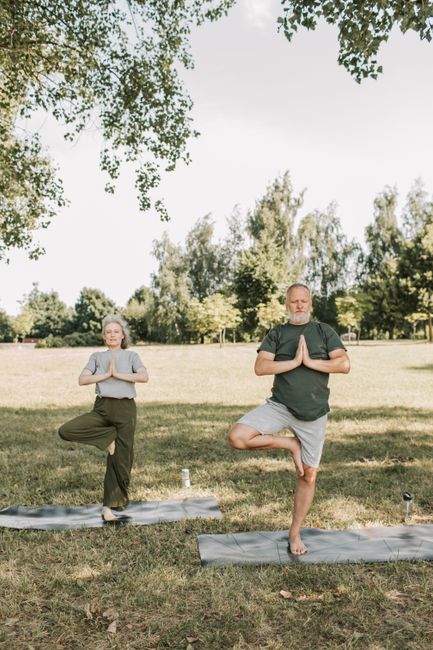
Balance Yoga for Seniors: Steadiness You Can Build at Any Age
Balance is trainable at any age. A supported yoga sequence for seniors — wall-side tree, mindful transfers, breath — that rebuilds steadiness.
20 August 2026 · 4 min read
Yoga With Knee Pain: Modifying Practice Instead of Quitting It
Knee pain rarely means quitting yoga. How to modify kneeling, deep bends and standing poses with props and angles so practice strengthens.
20 August 2026 · 4 min read
Chair Yoga at Your Desk: Ten Moves Nobody Will Notice
Ten discreet chair yoga moves — breath-linked stretches and holds you can do in an open-plan office without leaving your seat or drawing stares.
19 August 2026 · 4 min read